Imagine you have a hole in your car's tire. To fix it quickly and get on your way, you apply a patch. Then it happens again. You apply another patch. Before you know it, you're driving on the highway and you blow a tire. The risk was always there. You were simply hiding it because you didn't solve the problem. We see this often when it comes to IT issues. Teams take a band-aid approach to fixing problems without addressing the underlying causes.
The shift to remote was an unprecedented challenge for most enterprises and businesses. IT operations had to ramp up quickly to maintain processes and workflows. Monitoring tools play a crucial role in enabling ITOps to do everything they need to analyze and resolve incidents quickly.
Burnout in the workplace can tarnish careers and negatively impact work-life balance. And as our work environment becomes increasingly more remote, people are starting to re-examine the modern problems of burnout at work.
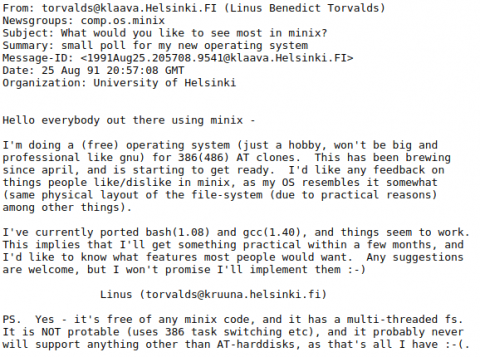
Close your eyes and breathe slowly, can you already feel the coolness on the tips of your boots? On the tense phalanges of your hands? The first step is right in front of you. It is a spiral staircase armed with worn ashlars under old voussoirs. The dim light of a chandelier accompanies you. What are you waiting for? Go up! The forbidden book awaits you in the last of the stays, where you will finally find out something about the history of monitoring.
Cloud API logs are a significant blind spot for many organizations and often factor into large-scale, publicly announced data breaches. They pose several challenges to security teams: For all of these reasons, cloud API logs are resistant to conventional threat detection and hunting techniques.
What precisely are the requirements of a DevOps practitioner, as opposed to an SRE, legacy developer, or operations manager? And do those specific requirements require a different approach to monitoring?
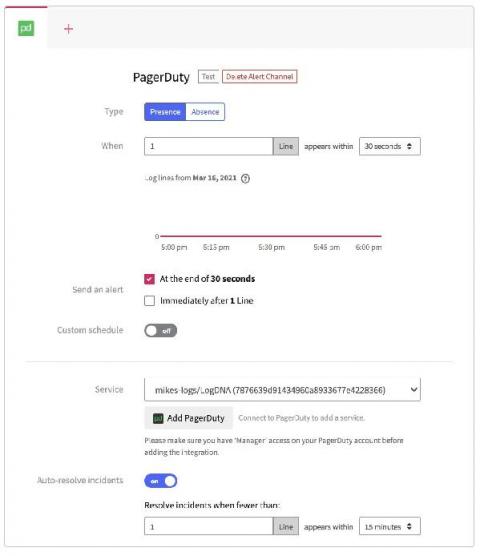
As an on-call engineer, you might deal with the day-in, day-out occurrence of alerts. These alerts may come from your alerting provider (PagerDuty, OpsGenie, etc.), Slack notifications telling you the site is down, or the ever concerning text message "Hey, is the site down?". These alerts elicit reactions that range from "shit" to "again?" and in many cases, both.