With the widespread use of LTE (Long Term Evolution), we are seeing more IoT devices come online in remote regions of our planet. Picture this scenario: A country is currently experiencing a national emergency due to an electrical grid failure. To mitigate the power shortage the government has deployed generators in the remote regions of their country to power the most remote villages. The problem? The villages are still reporting outages due to the emergency generators running out of fuel.
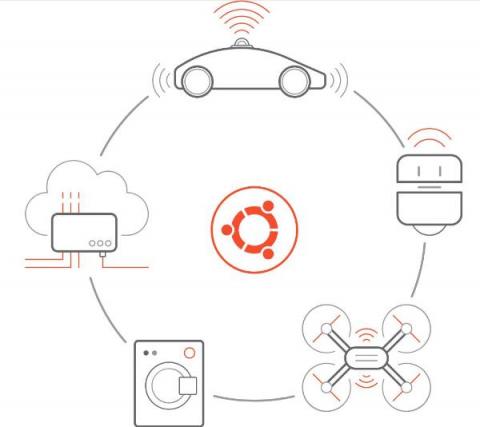
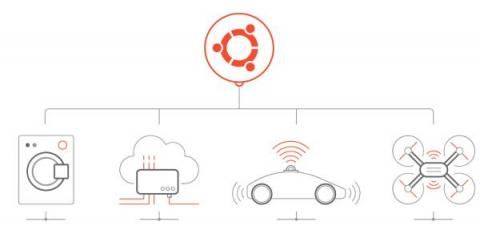
The Internet of Things adoption is growing faster than ever before. As connected devices become more affordable, they find their place in many aspects of our lives. Users worldwide can benefit from a large ecosystem of IoT solutions. However, this rapid growth comes at a cost. Different IoT edge devices have different interfaces, speak different languages and many are not supported soon after manufacturing. Over time, this presents challenges not only to usability, but also to security and privacy.
In the last 2 installments (Part 1 & Part 2), we discussed the basics of IoT and an example of how the components can be connected and used to provide basic automation and alerting. These seemingly simple steps can build up to provide very advanced controls of all aspects of the physical world. The challenge can become managing situations that were not expected.
François, Chris, and I started Interrupt 2.5 years ago because we wanted a repository of great embedded firmware content, which didn’t exist. Looking back at all the posts that our community contributors have published, we think we’ve made a respectable attempt at this goal. Our goals for Interrupt were always more ambitious than just a blog with quality content. We wanted Interrupt to become a hub for everything related to embedded firmware.
Here are the articles, videos, and tools that we’ve been excited about this October. We hope you enjoy these links, and we look forward to hearing what you’ve been reading in the comments or on the Interrupt Slack.
In the first part, I outlined some of the terms associated with the delivery of IoT. Next, let’s look at how this gets complex. You will need to read the state of each sensor (through their appropriate API and through their appropriate vendor-supplied hub), create logic to determine what actions must be taken when certain conditions are met, and then deliver these as a workflow to each responder, and confirm through data collected from sensors that the requested change was implemented.
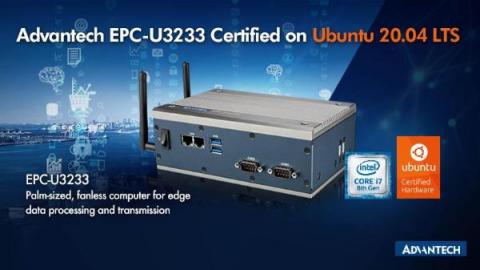
2 November 2021: Canonical published the first Ubuntu images optimised for the next generation of Intel IoT platforms, which address the unique requirements of the intelligent edge across multiple industry verticals. Both companies are dedicated to enabling on Ubuntu the Intel IoT platforms’ specific features such as real-time performance, manageability, security, and functional safety, as well as allowing users to take advantage of their improved CPU and graphics performance.
The Internet of Things (IoT) is a wonderful marketing term given to devices that are connected to the internet. Today everything from light switches, air conditioners to door locks have the option of being internet-connected. Now that multiple companies have created “tags” that you can add to anything from keys to cars and packages, anything can be tracked. Across the business, industry, and retail almost every physical component has the option of being internet-connected.