Operations | Monitoring | ITSM | DevOps | Cloud

Debugging the black box: why LLM hallucinations require production-state branching

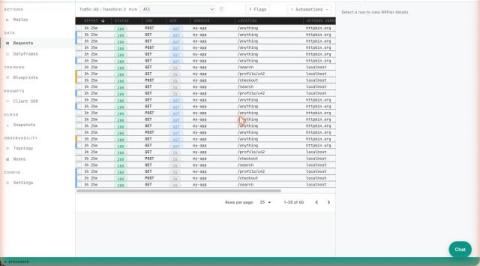
The most frustrating sentence in modern engineering is no longer "it works on my machine." It is: "It worked in the playground." When an LLM-powered feature, such as a RAG-based search, an autonomous agent, or a dynamic prompt engine, fails in production, it doesn’t throw a standard stack trace. It returns "slop," hallucinations, or silent retrieval failures. Standard debugging workflows fail during triage because LLM hallucinations cannot be reproduced using static mocks or clean seed data.

Six ways to grow your already successful business

When you run a business, to be successful there are a few things you have to do. One of these things is ensuring you are always pushing to progress and develop. By always working towards the future, it helps you stay on top and not fall behind - if you start falling behind, it can be tough to turn things back around, as mentally you may have been affected.

Beyond the Tower: The New Era of High-Performance Virtual Mobility

For over a decade, the narrative of premium interactive entertainment has been defined by a single, immovable object: the high-end PC tower. It was the centerpiece of the "battlestation," a glowing monolith of silicon and cooling fans that anchored a player to a specific desk in a specific room. If you wanted the best textures, the highest frame rates, and the lowest input lag, you simply had to be there.

Is Crypto Day Trading More Profitable Than Forex for Beginners? 5 Facts

You've seen the screenshots-overnight Bitcoin wins and same-day flips on EUR/USD. So where's the real money for a first-year trader: crypto or forex? The blunt math says most newcomers lose. According to a 2025 industry survey, 84% of first-year crypto traders finish in the red. Public filings from top EU forex brokers show roughly 72% of new retail accounts lose capital in their first twelve months. The market you pick isn't a shortcut; beating those odds requires skill, discipline, and a plan.
Sponsored Post

How to Centralize Incident Notifications in Slack

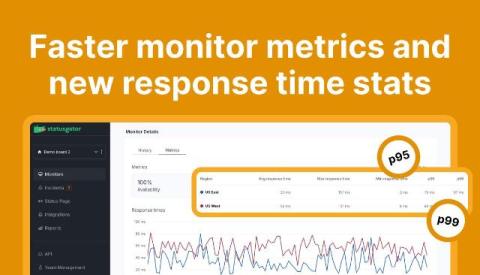
Even a brief outage in a critical service can disrupt projects. Customers get frustrated and flood the support team with tickets. What's the solution? Centralizing incident notifications and real-time status alerts in Slack. Many teams already collaborate there anyway. So let's take a look at how teams can streamline service monitoring, alerting, and incident workflows in Slack using integrations, automation, and tools like StatusGator.

From alerts to action: Where reliability is actually won

Observability has evolved dramatically in the past decade. The industry has moved from basic uptime checks to full-stack observability (FSO), including metrics, logs, traces, and real user monitoring. Observability tools like ManageEngine FSO can detect anomalies in little time. And yet, outages still last longer than they should. Observability has matured. Response hasn’t. Most IT teams today have the tools to know when something breaks. But knowing is not the same as resolving.

The single pane of glass approach to cloud monitoring

Dozens of SaaS services you depend on, starting from Google Workspace and Slack to Shopify, may experience downtime, partial outages, or degraded performance. And most have their own status pages, APIs, or RSS feeds. Juggling all these sources is exhausting, and many teams suffer from alert fatigue, missed early warnings, and fragmented visibility.

Inventory to Intelligence: How AI and Automation Improve Endpoint Visibility

Endpoint visibility has always been foundational to IT and security. You can’t secure, patch or support what you can’t see. But as environments have become more distributed and complex, what visibility means has evolved. It’s no longer enough to know that a device exists — IT teams and organizations as a whole need to understand its health, its risk posture and its impact on both security and user experience.

KubeCon + CloudNativeCon EU 2026: What We Learned About AI, Observability, and Fast Feedback Loops

Honeycomb was excited to attend KubeCon + CloudNativeCon Europe, where one theme stood out across sessions: as AI reshapes how software is built and run, teams are being pushed to rethink how they understand their systems. Without strong observability and feedback loops, AI can accelerate confusion, misalignment, and operational risk.