Operations | Monitoring | ITSM | DevOps | Cloud

The latest News and Information on DevOps, CI/CD, Automation and related technologies.

When to choose a Layer 2 or Layer 3 connection to connect to your cloud

Console Connect is a flexible software-defined self-service platform that's ideal for connecting your enterprise campus or data centre to your public cloud resources over a private connection. But when you make your interconnection you will have to decide between a Layer 2 or Layer 3 connection, also known as the Data Link Layer (L2) and the Network Layer (L3). Let’s take a look at the difference between these options and when you would choose one over the other.

Azure Horizontal vs Vertical Scaling: Which is Right for You?

Scalability in cloud computing refers to the system’s ability to handle changing workloads efficiently. It allows seamless resource adjustments based on demand, optimizing performance, cost, and resource utilization. Key benefits include improved flexibility, cost efficiency, high availability, and enhanced user experience. Scalability is essential for adapting to dynamic business requirements and ensuring the optimal functioning of cloud-based applications and services.

Common Cloud Cost Questions To Expect From Finance (And How To Answer Them)

As an engineer at a SaaS company, it’s your job to build the software products that make your company profitable. Problem-solving is what you love to do, and it’s a wonderful feeling when you can create something that makes a positive difference for your company.

The Debrief: A year in review-2023 at incident.io

What a year 2023 was at incident.io! While it's hard to summarize 365 days into just a few sentences, a handful of moments stood out from this transformative year: So as we close the curtain on a momentous 2023, we sat down with the three co-founders of incident.io—Chris, Stephen, and Pete—to do a bit of reflection on the wild ride that was this year.

What are #submodules in Git? | #shortsvideo

Submodules let you include external repositories within your own main projects. They're a game-changer for managing dependencies, ensuring clean code organization, and collaborating effectively! 💡 With submodules, you can easily integrate external libraries or components into your project while maintaining precise control over versions and updates. 🛠️

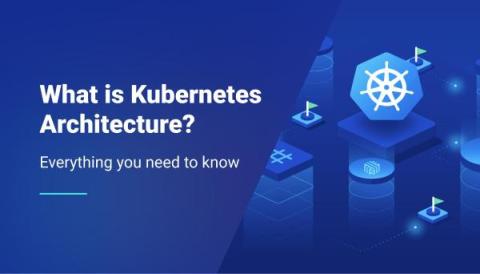
Kubernetes Reliability Risks: How to monitor for critical issues at scale

Learn how to automatically find and fix the most critical Kubernetes reliability risks in enterprise organizations. Recent research shows that nearly every organization has reliability risks in their Kubernetes clusters. Many of them are caused by simple misconfiguration, but they can have devastating consequences—including taking critical services offline. And while you could manually review every Kubernetes deployment, the speed and scale at which most organizations deploy to Kubernetes makes that impractical.

All I want for Christmas... from Slack

When declaring and responding to an incident with incident.io, most of your interactions with our product will go via Slack. You might configure your forms in our web dashboard, but the responder using them to declare an incident is most likely doing so from a Slack modal, and the incident announcement will be posted as a Slack message. This means a lot of our product design falls within the constraints of what we can build using Slack’s block kit.

Monitor MongoDB With Telegraf

Monitoring your instance of MongoDB is important for maintaining optimal database performance, ensuring security, detecting and addressing issues promptly, and planning for future growth and scalability. Database and infrastructure monitoring allows for the early detection of potential problems such as server overload, disk space shortages, or network issues.

Monitor GitHub Using Telegraf and MetricFire

Monitoring your GitHub account is important for maintaining code quality, facilitating collaboration, ensuring security, enabling smooth development workflows, and improving overall project management and efficiency. This will allow you to stay updated on code changes, pull requests, issues, and comments and facilitates collaboration among team members, ensuring everyone is informed about the progress and status of your projects.