The latest News and Information on DevOps, CI/CD, Automation and related technologies.
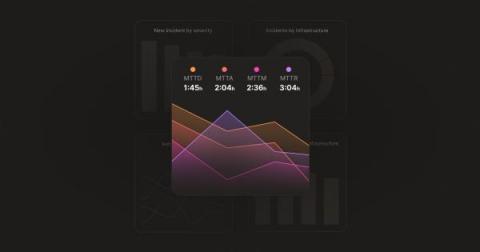
Tracking incident metrics can help you discover patterns in the causes and costs of incidents and help you understand brittle parts of your organization. We've seen them help teams zero in on things like: But it can be intimidating to get started. Do you really need metrics if you're a small team or just beginning to formalize your incident management program? I say yes. The key is to start with something manageable and grow.
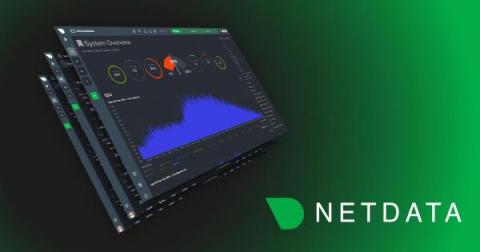
Interrupts, softirqs, and softnet are all critical parts of the Linux kernel that can impact system performance. In this blog post, we'll explore their usefulness, and discuss how to monitor them using Netdata for both bare-metal servers and VMs.
As a developer, triage duty week was often the worst week of my month. Anytime a bug was reported, I’d search for the right environment, wander through logs, pray there was an associated stack trace, use my mental mapping of our code base, and route bugs to the right teams. Developers on triage rotation need to ensure bugs are routed to the correct team along with adequate information to help the team investigate the bug.
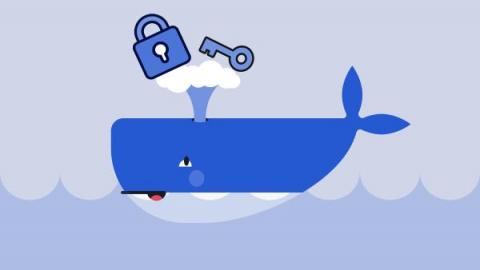
Securing sensitive data is crucial for any application, but managing this data can be complex and error-prone. Docker secrets provide a reliable and secure way to handle sensitive information like passwords, API keys, and certificates in your Docker environment. In this introductory guide, we’ll explore what Docker secrets are, how to use them with practical examples, and share some best practices to help you safeguard your sensitive data effectively.
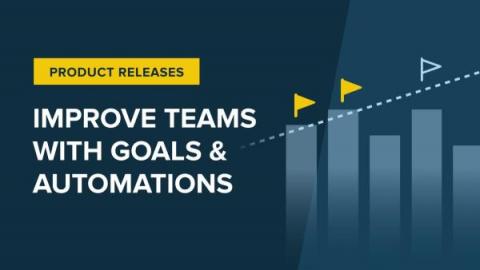
Sleuth's new Goals dashboard helps teams set, track, and achieve their goals. Here's how it works.
Access control is a security mechanism that regulates who has access to sensitive data, resources, and systems. It ensures that only authorized users can access sensitive data and activities while keeping unauthorized users out. Access control is critical for protecting sensitive data such as personally identifiable information (PII), financial information, and intellectual property.
Azure Subscriptions are a key component of Microsoft Azure’s cloud platform, as they form the foundation for managing and organizing resources in the Azure environment. In essence, an Azure Subscription is a logical container for resources that are deployed within an Azure account. Each subscription acts as both a billing and access control boundary, ensuring that resources are accurately accounted for and that users have the appropriate permissions to interact with them.