The latest News and Information on Cloud monitoring, security and related technologies.
We’ve talked about how serverless architecture is a great option for companies that are looking to optimize costs. Just like with all app building and developments, monitoring the performance of your implementation is crucial and we, the folks at Dashbird, understand this need all too well – this is why we’ve spent the better part of the past year and a half to create a monitoring and observability solution for AWS Lambda and other Serverless services.
Twitter as a social media channel has obviously taken the world by storm. Everything that happens and is trending around the globe takes place or is reported on Twitter. Additionally, most tech and cloud providers offer outage and support feeds through Twitter as a way of communicating problems and notifying customers. Example technology companies include Microsoft for Microsoft 365 Status, Azure and their products. Also Internet Service Providers like Comcast, CenturyLink and more.
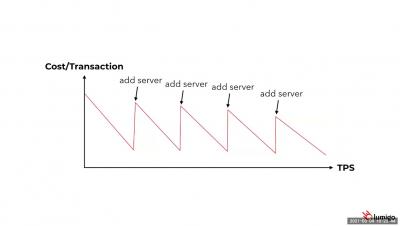
Load balancing is an element of most popular web applications. The reason for this is simple: Load balancers maintain application scalability and sustainability. It’s nearly impossible to imagine a modern application handling continuous traffic or periodic traffic spikes while relying only on a single running server’s capacity. As a result, load balancers have become a critical part of software development.
Monitoring and analytics have been an issue for Serverless systems since they were invented. While it’s easy to attach an agent like NewRelic or DataDog to a server or container, function monitoring requires a different approach. Serverless applications, where logic is distributed over a large number of functions, attaching agents or wrappers leads to cost increase and development overhead.
From digital transformation to infrastructure optimization, business analytics and data visualization allow IT stakeholders to make sense of complex situations. You can’t improve what you can’t measure, right? More and more, we see IT organizations combining different sources of information to uncover unique insight, allowing them to detect areas of improvement, find new opportunities, optimize processes and gain that competitive edge.