Operations | Monitoring | ITSM | DevOps | Cloud

The latest News and Information on Cloud monitoring, security and related technologies.

Why haven't UK organizations moved off the hyperscalers?

Two-thirds of UK IT leaders say they would switch cloud providers to take back control. Fifteen percent have actually done it. That is the headline from Civo's Digital Sovereignty Revolution 2026, a survey of 1,000 UK IT leaders. The intent is loud and getting louder. The movement is almost silent. It would be easy to call that apathy. It is not. UK organizations are staying on hyperscale infrastructure they no longer fully trust for four very specific reasons. Three of them are structural.

Shipped: Fit more of your cost data on one screen

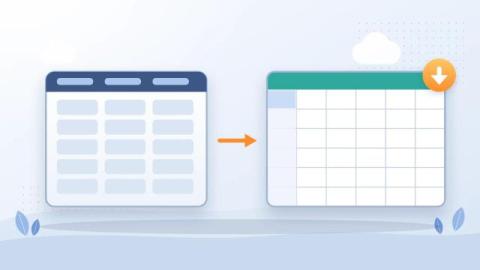
Most cost questions get answered the same way. You read a chart and the table under it together. Maybe you spot a jump on the chart, and then you go looking in the table for the service, account, or team that caused it. When you can see more of that table while the chart is still in view, the whole review goes faster. You’re also a lot less likely to lose your place halfway through.

Can you see what your sales org did with $206,000 of AI last month?

Activity categorization classifies every AI request by the work it performs, such as meeting prep, code review or account research, then assigns that spend to the team, person, model and provider behind it. It turns a provider invoice that shows only totals by model and API key into a breakdown finance can allocate, charge back and budget from. CloudZero AI Signals does this as the spend happens.

Amazon told its engineers to stop chasing tokens

Amazon told its own engineers this week to stop tokenmaxxing. The memo circulated internally in September and Amazon published it on Tuesday, Oct. 27. Tokenmaxxing is the practice of using AI as heavily as possible with little regard for whether the output justifies the spend. The memo calls token usage, adoption rates, and code-change counts “deeply flawed” ways to measure a team.

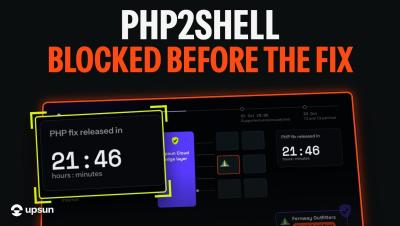
PHP2Shell explained: blocked 22 hours before the patch existed

PHP2Shell let attackers run code on PHP servers without logging in, and updating a CMS or its plugins didn't help. Only a new version of PHP fixed it. In this explainer, we break down how the two flaws work (CVE-2026-109618 and CVE-2026-109619, both rated 9.2 critical) and what Upsun Cloud did between PHP's one-day warning and the fix. We get into.

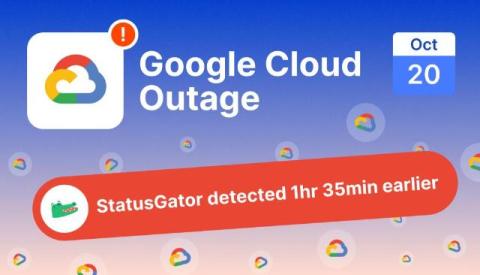
Google Cloud outage on October 20, 2026: a europe-west2 power event and 171 possibly affected services

A power event in Google’s europe-west2-b (London) zone triggered a wide Google Cloud outage on October 20, 2026, taking down dozens of services including Cloud SQL, BigQuery, Compute Engine, and Kubernetes for customers across the UK and beyond. StatusGator sent an Early Warning Signal at 07:02 UTC, 1 hour and 35 minutes before Google Cloud publicly acknowledged the incident at 08:37 UTC. The ripple effect was wide: StatusGator tracked 171 other services showing signs of impact during the outage.

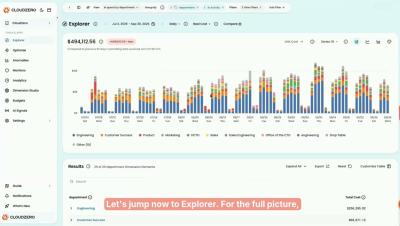
CloudZero in 3 Minutes: See What Your AI and Cloud Spend Actually Buys

Cloud and AI spend in one place, tied to the teams, products, and customers behind it. Your bill tells you what you spent. CloudZero tells you why, and whether it paid off. This quick tour shows how CloudZero pulls cost from AWS, Azure, GCP, Kubernetes, Snowflake, OpenAI, Anthropic, and more, then allocates it to what your business actually cares about. No perfect tagging required.