The latest News and Information on DevOps, CI/CD, Automation and related technologies.
When we started Rancher in 2014, our vision was to enable enterprise IT to procure and utilize computing resources (“cattle”) from any infrastructure provider. We were extremely lucky to be able to leverage wonderful technologies like Kubernetes which made computing resources consistent across all infrastructure providers.
Now this blog post is only going to cover the two largest cloud providers, Microsoft’s Azure and Amazon’s AWS and only focusing on Infrastructure as a Service (Azure VMs for Azure, and EC2 for AWS) offerings they both provide, but with a bit of a deep dive in to the way they both provide resilience.
What if we told you that most organizations are making simple AWS cost optimization mistakes that lead to surprising monthly cloud bills and unnecessary overspend? As an engineer, you’d probably be relieved to know that many of your organization’s AWS spending spikes are within your team’s control, given access to the right data.
Cost is a big reason many dev teams are transitioning to serverless. However, there are still some ways costs can creep up on you in serverless apps. The biggest culprit I’ve found in my own experience is the VPC resource. Because adding a VPC to a serverless stack is ridiculously easy in Stackery, I’ve sometimes gotten carried away. I’d deploy a stack with a VPC for testing, then quickly forget about it.
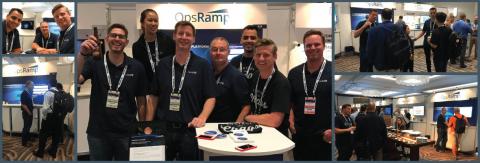
Gartner Catalyst Conference 2019 is consistently a great venue for learning, sharing, and connecting. OpsRamp was a silver sponsor at this year’s event and our seven-member contingent had a wonderful time meeting with industry thought leaders, demoing OpsRamp to senior IT executives, and having fun in the streets of San Diego. In this post, I will summarize the most interesting themes that stood out from the conference keynotes and sessions, as well as other key takeaways from the week.