The latest News and Information on DevOps, CI/CD, Automation and related technologies.
“Service outage! Help!” These words (or their variations), have preceded notable losses of millions and billions of dollars in the 21st century. From large corporations to SMBs, no one is immune to the effects of downtime – whether planned or unplanned. However, the earlier an issue is noticed, the faster it is acted upon and resolved, resulting in little or no customer impact.
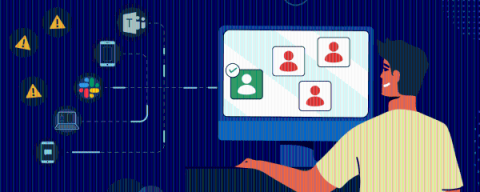
Ask any DevOps engineer, and they will tell you about all the alerts they enable so they can stay informed about their code. These alerts are the first line of defense in the fight for Perfect Uptime SLA. With every good solution out there, you can find plenty of methods for alerting and monitoring events in the code. Each method has its own reasons and logic for how it works and why it’s the best option. But what can you do when you need to connect two opposing methodologies? You innovate!
This series shows you how to get started with infrastructure as code (IaC). The goal is to help developers build a strong understanding of IaC through tutorials and code examples. In this post, I will demonstrate how to create continuous integration and deployment (CI/CD) pipelines that automate the Terraform IaC deployments covered in part 1 and part 2 of this series. Here is a quick list of things we will accomplish in this post.