Operations | Monitoring | ITSM | DevOps | Cloud

The latest News and Information on DevOps, CI/CD, Automation and related technologies.

Project Snow Cow: A hat-tip to Apple's MacOS Snow Leopard release that drove the inspiration for Stability, Reliability & Extensibility in Rancher

Kubernetes has reached an interesting point in its lifecycle where it is now the default choice to run business-critical applications across varied infrastructures, from virtual machines to bare metal and in the cloud. This, combined with the evolving need for a single pane of glass to centralize and manage infrastructure and application deployments, has required IT teams to focus on a stable, reliable and extensible platform that can scale on demand.

What are Page Blobs?

Azure Blob storage is a versatile and scalable cloud-based storage solution that allows you to store and manage large amounts of unstructured data. It offers three types of Blobs – Block Blobs, Page Blobs, and Append Blobs – each designed for specific use cases. In this article, we will provide an in-depth exploration of Page Blobs, their features, advantages, use cases, and how you can manage them effectively using Cloud Storage Manager.

SLO vs SLA vs SLI: A Complete Guide for DevOps Professionals

In today’s fast-paced world of software development, DevOps professionals strive to provide high-quality and dependable services for their users. An essential aspect of achieving this objective is understanding and effectively managing service level indicators (SLIs), service level objectives (SLOs) and service level agreements (SLAs). These metrics help guarantee that a service meets its performance and reliability targets.

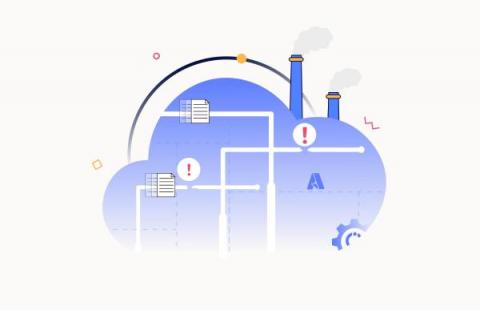
How to get Azure Data Factory Pipeline Failure Notification?

Azure Data Factory is a cloud-based data integration tool focusing on data extraction, transformation, and loading. A pipeline in Azure Data Factory is a collection of processes that move data to a shared repository, such as a data warehouse. Why it is important to monitor Azure Data Factory pipeline failures?

Incident Response Guide

Site reliability engineering (SRE) is a critical discipline that focuses on ensuring the continuous availability and performance of modern systems and applications. One of the most vital aspects of SRE is incident response, a structured process for identifying, assessing, and resolving system incidents that can lead to downtime, revenue loss, and brand reputation damage.