Mailchimp
Not subscribed to OpsMatters Newsletter


Apache Druid is a data warehouse and analytics platform that can capture streaming data from message queues like Apache Kafka and batch data from static files. Druid can be a valuable component in your technology stack if you need to collect real-time data for online analytical processing (OLAP) tasks like reporting, ad-hoc querying, and dashboarding.
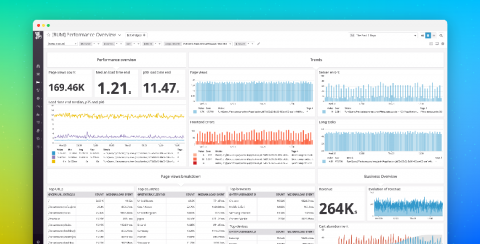
The performance of your website is a key element in the success of your business—slow page load times and errors can degrade the user experience, leading to customer churn, fewer ad impressions, or abandoned shopping carts. To give you end-to-end visibility into the real-time activity and experience of individual users, we’re excited to add Real User Monitoring (RUM) to Datadog.
Yesterday, we announced the beta release of Logz.io Infrastructure Monitoring — our Grafana-based monitoring solution, and the planned release of a Jaeger-based tracing solution. These additions to our platform complement our ELK-based Log Management product, together constituting what is the world’s only open source-based observability platform for monitoring, troubleshooting and securing distributed cloud workloads.
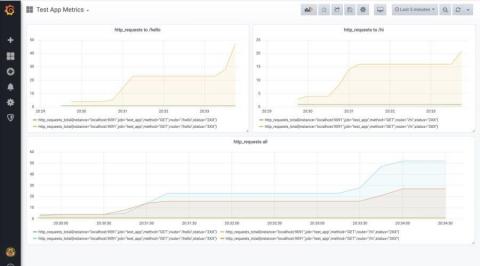
In this blog post, I would like to share with you some of the projects that I used to to get a better sense of what Prometheus can do. I am a very hands-on type of learner, and usually when I want to explore new technologies, I start with “hello world” apps and small toy projects. Therefore, the main goal of this blog is to share with you how easily you can set up Prometheus and how quickly you can create simple projects that can be monitored with Prometheus and visualized in Grafana.
Learn about Tim here: https://www.taloflow.ai/features
View the docs here: https://docs.taloflow.ai/docs