Mailchimp
Not subscribed to OpsMatters Newsletter


Logz.io is excited to announce the 2020 Cloud Observability Webinar Series focused on DevOps, Open Source, and Observability! It’s certainly harder to attend interesting events in person these days. However, learning the same content you would at meetups and conferences for delivery of more reliable, performant, and secure services shouldn’t have to be. This series will offer a webinar every Wednesday until the end of June.
In this challenging global environment, we realize many of our customers will work from home for the next several weeks. Thankfully, Logz.io is designed to support distributed teams and work environments, and we wanted to highlight some of the ways you can use the platform both for remote monitoring and to collaborate better with your teams over the course of the COVID-19 pandemic.
We’re teaming up with SCOM Experts, Apajove, to bring you a ‘tuning pack’ for our fantastic, but also FREE EasyTune download, allowing you to tune an entire management pack in a matter of minutes. The Apajove tuning pack is live on our community store now and incorporates the tips and trick of the trade, which they use in their own SCOM deployments everyday; many of which have taken root in the work of the notorious Kevin Holman.
Maintaining success in a large open source project is one of the key objectives of Mattermost. We have hundreds of contributors and we want to create a project that could serve as a model in the Go community. Having said that, following idiomatic Go principles is the thing that we care most about while maintaining our code consistency. For this specific task, we utilized go vet and with this blog post, I would like to explain how we pushed the limits of this tool by extending it.
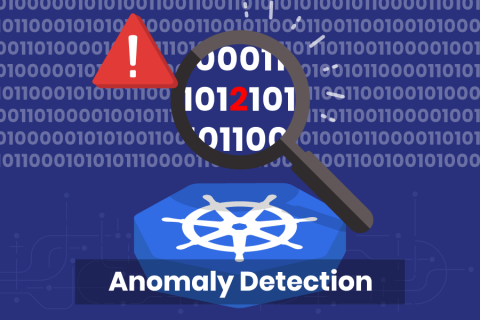
2020 is predicted to be an exciting year with more organizations adopting Kubernetes than ever before. As critical workloads with sensitive data migrate to the cloud, we can expect to encounter various Advanced Persistent Threats (APT) targeting that environment.
Unit tests and integration tests are vitally important, but sometimes even those aren’t sufficient to ensure that critical services in your application will function smoothly in production. In those cases, adding a staging step to our CI/CD process allows us to test a feature with real data in a less supervised environment. For example, here at Lumigo we decided to use it for our Node.js tracer.