Mailchimp
Not subscribed to OpsMatters Newsletter


Keeping track of application usage and the installation of software on your Android phone or tablet is an essential activity, both for device management and your overall security. In this regard, it’s also advisable to monitor how your Android applications are tracking you, in terms of your physical location, activities on the local device, and online. Here are some tips on how to achieve this.
In a previous post, I demonstrated how to call InfluxDB APIs from AWS Lambda, but the setup is fairly manual and the results are not portable. Ideally, we as a community can expand and share ways to collect and process time series data. To that end, I want to share a CloudFormation template. CloudFormation is AWS’ infrastructure as code service that lets you define almost any AWS component in a configuration file.
We’re excited to announce that Splunk has been named the leader for both market revenue and market share in IDC’s Worldwide IT Operations Management Software Market Shares, 2019 report, having captured 13% of the overall ITOM market and achieving 32.3% year-over-year growth*. We believe this recognition speaks to the continued success of our customers, and we are so thankful for the opportunity to be a part of that success.
Since we launched Splunk Remote Work Insights (RWI) in late March, we have been focused on helping our customers and the community understand how their workforce is staying connected, productive and engaged as we all continue to work across largely distributed teams.
With the rising needs associated with COVID-19, the challenges of the commercial drug supply chain is more evident than ever. This article features an innovative and progressive technology that uses blockchain to solve the ongoing problem with the drug distribution chain.
Event-driven applications have become the foundation for developing modern digital applications. Application workflows are easier to automate with serverless frameworks, and Amazon EventBridge has revolutionized the way serverless applications are built. Since serverless is the new cool kid in the town, there has been a lot of infrastructure reengineering. This blog describes how alert-driven business logic can automate serverless workflows using Amazon EventBridge.
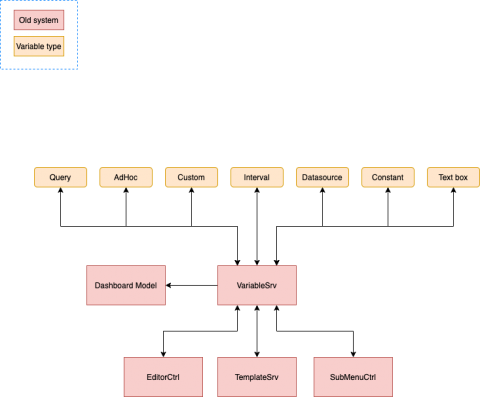
As many of you already know, we created Grafana using AngularJS, but we have been migrating to React for about two years now. One of the big missing pieces in our migration puzzle was the templating system. This post starts in late 2019 when I first got my hands on this mysterious and complex area of the Grafana code base.