Mailchimp
Not subscribed to OpsMatters Newsletter


According to a recent report by IBM, the damage caused by major IT incidents is greater than ever. An incident that results from a data breach will cost the organization an average of $3.86 million, with the average time to breach containment coming in at 280 days! And according to the ITIC, hourly downtime costs come in at over $300,000, with some at even $1 million per hour.
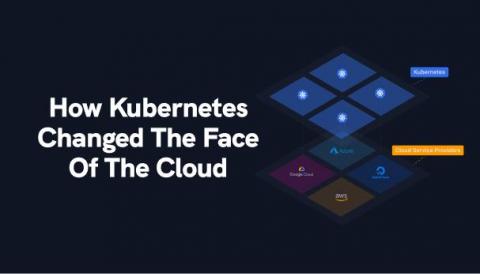
Kubernetes is an open-source platform that is used for automating computer application configuration, scaling, and deployment. In order to understand the importance of Kubernetes, let us take a step back and understand why this platform was introduced in the first place.
Five worthy reads is a regular column on five noteworthy items we’ve discovered while researching trending and timeless topics. In this edition, we’ll learn about hyperscale data centers, including how they function, and the considerations and challenges organization face in deploying them.
With AWS’s announcement that macOS instances are available on Amazon EC2, iOS, macOS, and Safari developers now have the opportunity to move their build and test pipelines to the cloud and take advantage of all that the AWS ecosystem has to offer.
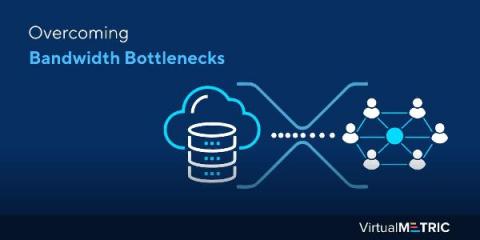
What is bandwidth? Bandwidth refers to the amount of data that can be sent or received by a particular device in a stipulated period. This is measured in Mbps (Megabits per second). Very often, people use bandwidth to refer to the speed of the internet connection. However, that is not the case. Talking about bandwidth vs. speed, the former helps understand the quantity of data transferred per second. At the same time, the latter focuses on the rate of data transfer from the source to the destination.