Operations | Monitoring | ITSM | DevOps | Cloud

Real-Time Outage Alerts in Slack and 4 Ways To Set It Up

When a third-party service you depend on goes down, every minute counts. The sooner your team knows about the outage, the faster you can respond and reduce downtime. Since most IT and operations teams live in Slack, it makes sense to receive real-time outage notifications directly in Slack channels where you already collaborate. There are several ways to do this, from integrating an all-in-one status page aggregator like StatusGator, to setting up RSS feeds or building your own Slack app.
Cloud vs Colocation: strategic infrastructure choices for long-term value

Organisations are no longer limited to running everything in-house. The real question is where different workloads should sit to deliver the best long-term results. For many, that means weighing up cloud vs colocation. Both offer advantages over traditional infrastructure but serve different aims. Cloud makes it simple to scale and launch new services, while colocation provides predictable costs, direct control, and stronger assurance for compliance.

A 5-step enterprise guide to IaCM

As enterprises scale, Infrastructure as Code (IaC) alone isn’t enough to manage the growing complexity of modern infrastructure. Infrastructure as Code Management (IaCM) elevates IaC into a strategic, governed, and automated framework, providing centralized control, compliance, and collaboration at scale. Platforms like Harness IaCM make this transformation practical, turning infrastructure chaos into consistent, secure, and efficient operations.

Streamlining asset deployment

In this lecture, we focus on streamlining asset deployment. Getting assets into the hands of users quickly and efficiently is critical to maximizing their value. We’ll cover how standardized processes, automation, and clear ownership help ensure deployments run smoothly while reducing errors, downtime, and hidden costs. A streamlined deployment phase sets the tone for the rest of the asset lifecycle.

Strengthen the server back end with server URL checks

In distributed architectures, the back-end service reliability of microservice endpoints and internal APIs relies on the health of local URLs. These local URLs are not exposed to the public internet and are essential for your IT infrastructure health and automation suites. Site24x7’s server URL check is engineered for operations teams that require immediate visibility into these server-level endpoints. These granular endpoints are often overlooked by traditional external monitoring tools.

Simplify server issue diagnosis with service monitoring

It's well-known that an alert that just states “the server is down,” is not particularly helpful for your already overworked SysAdmins and SRE teams. Diagnosing why the server went down is their challenge. The problem is that memory spikes, CPU overload, failing services, or blocked ports can all look the same from a distance. Too often, these issues are responsible for delayed fixes, alert fatigue, and hours wasted switching between tools for data correlation.

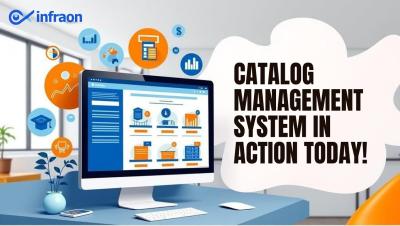
What is Catalog Management System?

Discover how a Catalog Management System empowers IT organizations to efficiently organize, track, and deliver digital or service assets. In this video, we break down how modern IT teams use catalog management to enhance visibility, speed up service delivery, and maintain data accuracy across the enterprise. Whether you’re an IT manager, CIO, or part of a digital transformation team, understanding catalog management is key to building scalable IT operations.

Cove Quarterly Roundup - Q3 FY25

In the Q3 roundup, Stefan Voss highlights the team's productivity and focus on cyber resilience. New techniques for detecting backup infrastructure attacks and significant improvements in BCDR processes are introduced, including Bare Metal Recovery automation and smart restore features for Azure. The executive summary reports provide valuable insights and KPIs, showcasing the enhancements in backup processes for Microsoft 365 and Exchange. Plans for future developments include notifications for configuration changes and integration with Halo PSA, setting an optimistic tone for Q4 and beyond.

N-Central Quarterly Roundup - Q3 FY25

This content may contain forward-looking statements regarding future product plans and development efforts. N-able considers various features and functionality prior to any final generally available release. Information regarding future features and functionality is not and should not be interpreted as a commitment from N-able that it will deliver any specific feature or functionality in the future or, if it delivers such feature or functionality, any time frame when that feature or functionality will be delivered. All information is based upon current product.