Operations | Monitoring | ITSM | DevOps | Cloud

What Is SolarWinds, And Should You Use It?

Downtime is brutally expensive and damaging. Enterprises can lose about $9,000 every minute systems are down, while smaller businesses lose hundreds of dollars per minute. A single outage can often cost over $100,000, and nearly a third of companies lose customers due to downtime. That’s why many organizations turn to platforms like SolarWinds to maintain reliable systems and minimize the risk of costly disruptions.

Optimize Cloud Costs with Datadog Cloud Cost Management

Datadog Cloud Cost Management unifies observability and cost data so engineering and FinOps teams can drive efficiency together. In this demo, see how you can: Allocate cloud costs across AWS, Azure, Google Cloud, OCI, and SaaS providers with precision Empower engineers by surfacing costs in their daily workflows Automate recommendations to accelerate optimization Monitor your daily Datadog costs - at no additional charge.

Managing observability costs at scale: A look at the latest cost management features in Grafana Cloud

The benefits of observability are clear: deep visibility into system health, faster troubleshooting, and improved reliability (to name a few). But what’s equally clear is that, as organizations scale and evolve their observability strategies, they need a way to tap into these benefits without runaway costs. According to Grafana Labs’ 2025 Observability Survey, 74% of respondents say cost is a top priority for selecting tools.

Distributed Historian Architecture with InfluxDB 3

From pipelines to warehouses, modern operations generate more distributed data than ever, with equipment and connected devices spread across factories, grids, and remote sites. A single, centralized historian can no longer handle this volume or distribution. Without change, organizations risk fragmented visibility, higher costs, and slower responses.

Choosing the Right APM for Go: 11 Tools Worth Your Time

If you’re building high-performance systems, Golang has probably earned a spot in your stack. Its speed, lightweight concurrency, and quick compile times make it ideal for scalable APIs, microservices, and distributed systems. But those same qualities that make Go powerful can make performance monitoring tricky. Goroutines run fast and in parallel, which means a simple CPU or memory graph doesn’t always tell you what’s slowing things down.

Rolling Out AI Application with Confidence: How Nexthink's AI Drive + Adopt Makes AI Compliant, Insightful, and Effective

From Microsoft Copilot to ChatGPT, AI applications are quickly becoming everyday workplace tools. But for many organizations, turning on these capabilities isn’t as simple as flipping a switch. Enterprise licenses for AI tools can cost millions, yet few companies can confidently say employees are using them effectively, or safely. The reality is that most AI rollouts start strong but stall fast.

APM vs Observability: Both-and, not either-or

I'll start this, the third and final entry in my series on APM and Observability, which was originally inspired by my contribution to an APMdigest article, by once again pointing out that APM tools can be built with observability in mind. Many are, in fact. And the ones that aren’t don’t turn into a different type of tool. In my experience, it's more that there's a difference of mindset.

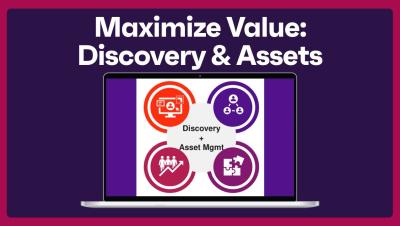
Maximizing Value with Discovery and Asset Management: The Four Pillars for Organizational Success

Effectively managing your organization’s assets is critical for operational efficiency, compliance, and strategic growth. In today's complex IT landscape, robust discovery and asset management processes ensure that businesses not only know what they own, but optimize its use, reduce risks, and stay ahead in a rapidly changing environment.

The Rise of Agentic AI - From Assistance to Action

Enterprises are prioritizing digital transformation and agility, yet most lack the structural readiness for what's next. When 95% of financial services professionals believe there's little to no risk in delaying system modernization, even as the UK's FCA issued over £319 million in fines for non-compliance in just six months, it's clear many are mistaking surface upgrades for true adaptability.