As a leading, open-source multi-cluster orchestration platform, Rancher lets operations teams deploy, manage and secure enterprise Kubernetes. Rancher also gives users a set of container network interface (CNI) options to choose from, including open source Project Calico.
We've introduced two very cool new features to Oh Dear: the ability to temporarily silence alerts and advanced Slack notifications.
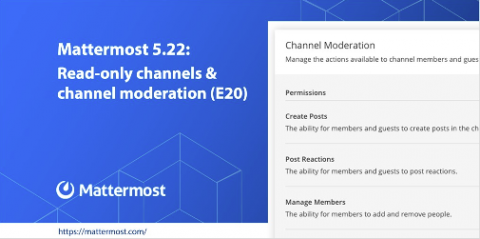
Mattermost 5.22 ships with new features designed to help your team work faster.
Seemingly simple digital moments, like checking into a flight, trigger a complex technical flow of events under the IT covers. A simple swipe or click relies on a complex IT ecosystem made up of millions of lines of code, spanning multiple software applications, hybrid and multi-cloud technologies, state-of-the-art IT infrastructure, security apps, and more.
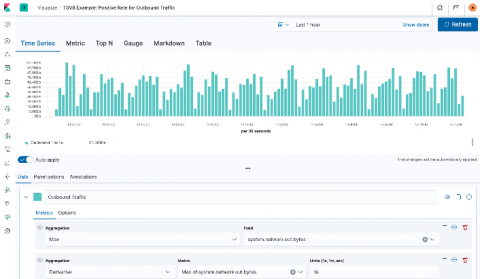
When working with observability data, a good portion of it comes in as time series data — things like CPU or memory utilization, network transfer, even application trace data. And the Elastic Stack offers powerful tools within Kibana for time series analysis, including TSVB (formerly Time Series Visual Builder). In this blog post, I’m going to attempt to demystify rates in TSVB by walking through three different types: positive rates, rate of change, and event rates.
Elasticsearch allows you to store, search, and analyze large amounts of structured and unstructured data. This speed, scale, and flexibility makes the Elastic Stack a powerful solution for a wide variety of use cases, like system observability, security (threat hunting and prevention), enterprise search, and more. Because of this flexibility, effectively architecting your deployment’s data storage for scale is incredibly important.
We no longer live in a world where a few tools determine the way organizations structure their processes. From IT Service Delivery to Incident Response, Modern IT Operation Solutions need to embody the flexibility that most Enterprises require. The dynamic ITOps ecosystem has shifted to put choice back in the hands of the user. Now, IT Solutions must follow suit. Modern Incident Response platforms, in particular, need the flexibility that enterprises need to mirror their enterprise architecture.