Ransomware was, once again, the top cyberattack type of 2021. It has been at the top of the threats list for three years in a row. Experts estimated that a ransomware attack occurred every 11 seconds last year. The average cost of ransomware recovery was estimated to be $1.85 million. These statistics explain why some have proclaimed ransomware to be a modern threat to public safety. In this blog, we’ll demystify ransomware and answer some key questions pertaining to it.
Ransomware threatens the loss of crucial data as well as financial loss. However, with the right knowledge and tools, you can take action to protect your business from the damaging effects of ransomware. In a 2022 Coveware Q1 ransomware report, the average ransom payment was $211,529 with an average of 26 days for downtime suffered. Ransomware obviously continues to be a huge and costly threat to industries across the board.
It seems that every day we see another ransomware headline. But too often, backup and data protection solutions treat ransomware recovery just like any other type of recovery. The truth is recovery from ransomware has different requirements (and different best practices) than recovery from fire, flood, or hardware failure.
It’s no secret that ransomware threats skyrocketed – in both volume and boldness – during the pandemic. Threat actors capitalized on the sudden transition to remote work and the resulting lapses in security. Now that the working world is beginning to settle into a permanent Everywhere Workplace, you might think the ransomware trend would begin to reverse. Not so, according to a new report from Ivanti. The report details ransomware trends from Q1 2022, and the findings are bleak.
Ransomware is on everyone’s minds these days, with attacks against small businesses, hospitals, and local governments increasingly in the headlines. Managed IT service providers are experiencing a dramatic increase in attempted cyberattacks.
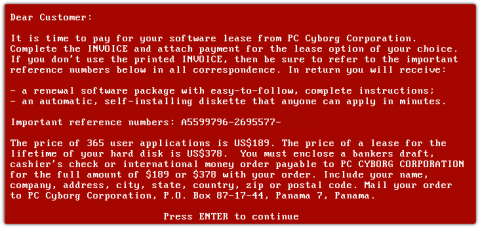
Do you remember when viruses used to be funny and not such a big deal? Maybe a cat would constantly pop up on your desktop or you’d get spammed with hundreds of ads for male enhancement pills? Well, the early 2000s are over (yes, it’s depressing) and malware has advanced far beyond its somewhat quirky origins. Today, viruses have become extremely sophisticated and it’s difficult to know for sure if your files have been infected or not. So what is malware exactly?
Today, as computing power and wireless capabilities improve, organizations are increasingly leveraging Internet of Medical Things (IoMT) technologies, such as internet-connected blood pressure monitors, continuous glucose monitors and MRI scanners. These tools, with their ability to collect, analyze and transmit health data, improve efficiencies, lower care costs and drive better patient outcomes.
If there is one thing that the pandemic has given us apart from a “new normal,” it's the massive spike in ransomware attacks across the globe. Despite law enforcement agencies telling victims to avoid paying ransoms, the average amount of rin 2021 exceeded a whopping $102 million per month.