DevOps teams are increasingly looking toward Kubernetes as a scalable and effective way to package application containers of all sorts.. However, while Docker and Kubernetes have paved the way for the container and microservices revolution, there is still plenty of room for innovation. The strength of the Kubernetes tool lies in its ability to blend the simplicity of Platform as a Service with the stability of Infrastructure as a Service software.
My holiday challenge to explain serverless InfluxDB to my family produced a useful Flux script anyone can put to work today. Before we dive into the code, let me outline the high-level approach to gathering and visualizing how long it takes a website to respond to an HTTP request.
Today we announce InfluxDB 2.0 Open Source’s official move to Beta. This represents a huge step forward from where we started out nearly a year ago and is one step closer to general availability. You can download the latest version on our downloads page. Since we announced the first Alpha for InfluxDB 2.0 back in January ‘19, we have been working hard to build out and harden InfluxDB 2.0’s capabilities.
Another one in the books, 2019 is past and it went by fast. In this post, we’ll summarize events and accomplishments for the year and give a peek as to what’s in store for 2020.
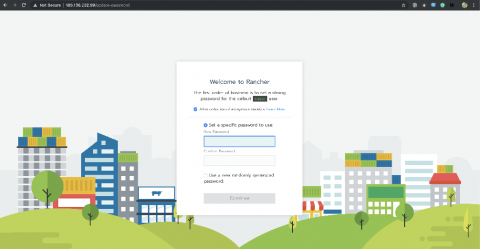
Rancher is a single point of control to manage all your kubernetes clusters anywhere. Rancher 2.3.x was released a few weeks back and it came with huge updates. Top Features included Istio and Windows nodes support. In this article, we will mainly discuss Istio support offered out of the box through the Rancher UI, see an example deployment, and visualize it via the Kiali dashboard.
Redis is an in-memory data store. It’s predominantly a key/value store, so it does not have features in many relational databases. It can be used as a simple database, a cache, or as a pub/sub system. Since it’s all in-memory, it is very fast, but it also requires alot of memory. Amazon Web Services, Microsoft Azure, and Google Cloud Platform all provide their own managed Redis services. The available versions and features vary from provider to provider. Let’s take a closer look.
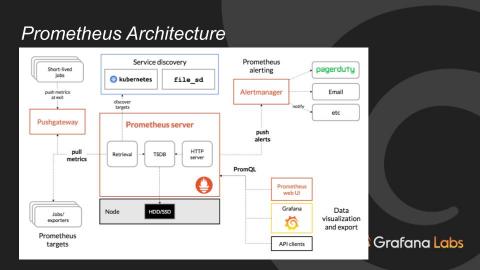
During a lightning talk at PromCon EU last November, Grafana Labs developer Callum Styan, who contributes to Cortex and Prometheus, talked about improvements that have been made to Prometheus remote write – the result of about six months of work.
At Sentry, we pride ourselves on having an open kitchen; everyone can see how we prepare our main dishes as an open-source company. As you may have noticed, we’ve been working hard to bring you a version that’s incredibly easy to set up and maintain: Sentry 10! It’s available today! Before you start hammering PyPI, GitHub, or Docker servers, please read on as there are important changes that need your attention.