Operations | Monitoring | ITSM | DevOps | Cloud

The latest News and Information on Observabilty for complex systems and related technologies.

Sponsored Post

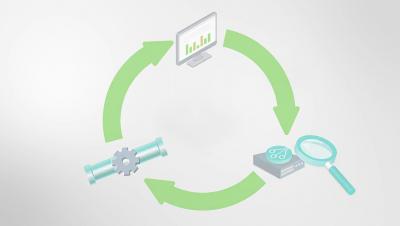
Improve MTBF and MTTR for your Application Platforms by using MESH Observability

When businesses look at how best to understand the performance levels of their platforms, some of the best incident management metrics to look at are Mean Time Between Failures (MTBF) and Mean Time ToResolution(MTTR). These two measurements will give an excellent indication of the health and speed of the system, as well as the ability of the platform to take care of any anomalies that have been detected or to flag them up for others to take action to resolve them.

Empowering Observability Engineers: Using Mezmo to Overcome Critical Challenges

The dynamic nature of the IT landscape poses complex challenges for organizations, necessitating the involvement of observability engineers. These skilled professionals have become indispensable in addressing critical pain points and optimizing system performance. In this blog post, we delve into the challenges observability engineers face and showcase how Mezmo's comprehensive telemetry solution empowers them to overcome these hurdles and achieve optimal results. ‍

Q&A: The importance of an end-to-end observability platform

Pressure is mounting for organizations to deliver exceptional customer and employee experiences, rapid event resolution, and better business outcomes. Observability will be a key strategy play to achieve end-to-end visibility of complex tech estates, says Pablo Stern, senior vice president of technology workflows at ServiceNow. In an interview at Knowledge 2023, Stern talked about how an observability platform can encompass both DevOps workflows and business processes across the enterprise.

Streamlining Observability: The Journey Towards Query Language Standardization

One of the most captivating discussions I had at KubeCon Europe 2023 in Amsterdam was about standardization of a query language for observability. This query language standard aims to provide a unified way of querying observability data across logs, metrics, traces, and other relevant signals. The conversation shed light on the pressing need for a standardized approach to overcome the challenges posed by the plethora of query languages currently in use.

Lightrun Attendance at FinOps X 2023: Unveiling Key Insights, Highlights and Takeaways from the Show

This week Lightrun attended the annual FinOps X event. The event was sold out and packed with great speakers, practitioners, and amazing atmosphere. Compared to last year which had over 300 attendees, this year the event brought over 1200! Above is a screenshot taken from the venue entrance reminding the audience with the core principles of FinOps.

Putting the Network in Observability

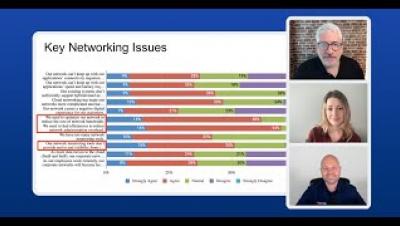
With the accelerating use of DevOps and cloud-native infrastructure, observability is all the rage. Organizations, large and small, are doing their best to make sense of the logs, metrics and traces generated by their applications to identify performance and availability issues. But what about the network? It seems that many organizations forgot that network telemetry has always been the foundation of any monitoring initiative relating to performance, security, or availability. In this Techstrong Learning Experience, Techstrong Research GM Mike Rothman is joined by Phil Gervasi and Rosalind Whitley from Kentik to discuss how network observability adds depth and context to any APM or security analysis environment. Mike also highlights data from a recent network observability survey done by Techstrong Research. In this learning experience, you’ll learn.

Leveraging Calico flow logs for enhanced observability

In my previous blog post, I discussed how transitioning from legacy monolithic applications to microservices based applications running on Kubernetes brings a range of benefits, but that it also increases the application’s attack surface. I zoomed in on creating security policies to harden the distributed microservice application, but another key challenge this transition brings is observing and monitoring the workload communication and known and unknown security gaps.