The latest News and Information on IT Networks and related technologies.
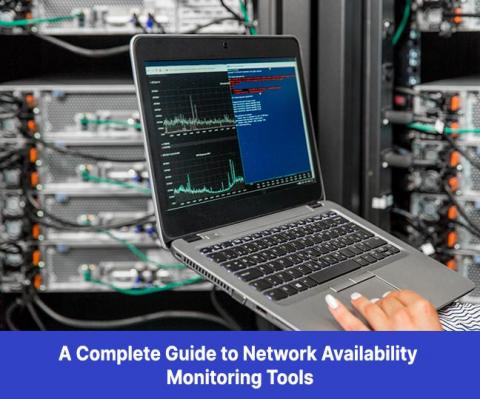
Remote network monitoring is a technical specialty that was born almost at the same time as networks themselves. Since then, many strategies have emerged when it comes to monitoring network elements. In this article we will talk about the current techniques based on SNMP polling and network statistic collection through Netflow, and we will also mention outdated systems such as RMON. Most techniques are purpose-oriented, so they are especially useful.
If you own an enterprise, then you know the value of a healthy network and how seriously detrimental a network outage is to your business. But network issues are inevitable. The heavy dependence on networks to meet the ever-changing client and internal usage requirements takes a heavy toll on the network. This makes networks vulnerable to common problems such as unplanned, sudden downtime, high resource utilization, and hardware malfunctioning.
This article was originally published in The New Stack. As the technology landscape continues to change at a rapid pace, enterprise companies are in a rush to catch up and modernize their legacy IT and network infrastructure to capture the benefits of newly developed tools and best practices. By adopting modern DevOps techniques, they can reduce their operational costs, increase the reliability of their services and improve the overall speed and agility at which their IT teams are able to move.
In this episode of the Network AF podcast, Avi Freedman connects with Ilissa Miller, network whisperer and PR industry veteran. Ilissa and her team translate technology into business terms by helping clients understand the value and functionality of a company. Avi asks Ilissa how she got into the field, her biggest takeaways that helped launch her own business and what’s important in today’s networking world.
To ascertain risk, national security and intelligence professionals have long used concepts such as known knowns, known unknowns, and unknown unknowns. The idea of unknown unknowns was created in 1955 by American psychologists Joseph Luft (1916–2014) and Harrington Ingham (1916–1995). This concept continues to be used today in risk assessments and is applicable to technology. The unknown unknowns are the threats and potential problems that remain invisible until their impact manifests.