Monitoring for developers
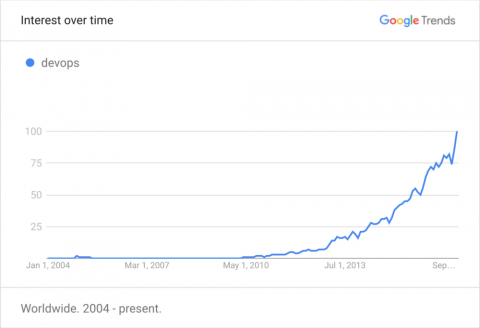
Ten years ago, still young in my career building software things, I got my first taste of DevOps. We didn’t call it that back then but for the first time I had to worry about how my software would be delivered to the world.


The latest News and Information on Monitoring for Websites, Applications, APIs, Infrastructure, and other technologies.
Ten years ago, still young in my career building software things, I got my first taste of DevOps. We didn’t call it that back then but for the first time I had to worry about how my software would be delivered to the world.
To start with, idea of WebGazer came into existence from self-need. Maintaining multiple websites on different servers and not knowing the state of every one were problematic, especially when one of the websites somehow goes down and you learn it from the customer you maintain the website for or the user who shouldn't even notice the glitch in the first place.
For the past six months or so I've been working an NES emulator in Rust. As you might expect, I've learned a lot about rust, and even more about NES internals. But the experience has also changed the way I look at Ruby. Specifically, it's made me more than a little paranoid about methods that return nil.
In the age of the modern website architecture where websites experience little downtime, slow is the new down. A slowdown on a website has been proven to have a negative effect on conversion rates and end user experience. With that in mind, we’ve updated our uptime monitoring to alert you to slow response times.
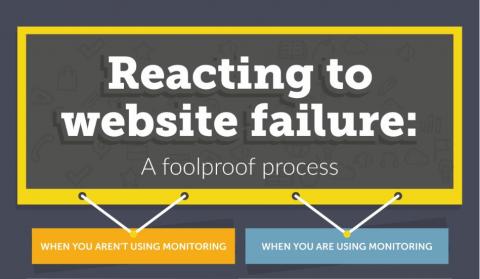
Faultless websites, online stores or web apps simply don’t exist. Despite an exemplary infrastructure, duplicated systems and excellent mechanisms, something can always go wrong.We offer you a proven process that you can apply in a crisis situation – adapting it accordingly to your conditions, of course.
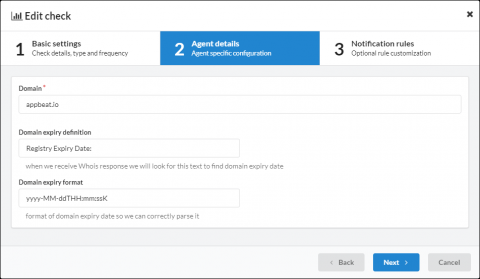
With newest version of AppBeat you can now periodically run Whois for your domain.