Operations | Monitoring | ITSM | DevOps | Cloud

The latest News and Information on Log Management, Log Analytics and related technologies.

What Are Mappings in Elasticsearch? (Explained Simply)

Elasticsearch mappings turn logs from unstructured text into usable data. In this video, we explain what mappings are, how they define fields like text, number, and date, and why they matter. With the right mappings, Elasticsearch can filter error codes, sort by response time, and group results by browser, region, or version.

Understanding Incident Response vs Incident Remediation

At a high level, incident remediation is a part of the incident response process. An Incident response plan manages the incident lifecycle across planning, detection, investigation, and recovery. Meanwhile, incident remediation focuses on identifying root causes and implementing measures to prevent future occurrences.

OpenTelemetry Deep Dive: Resilience & High Availability in the OTel Collector

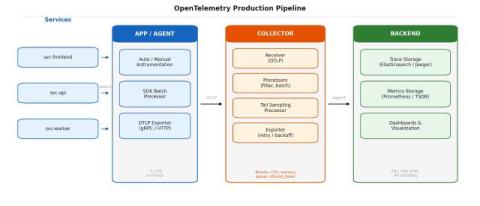
Missed it live? Catch the full recording of OpenTelemetry Deep Dive: Resilience & High Availability in the OTel Collector — a 1-hour workshop on building telemetry pipelines that never drop a signal. We’ll show you why resilience matters, how to design high-availability architectures, and how to configure the OpenTelemetry Collector with retries, batching, and persistent queues. Plus, you’ll see live demos in both Docker and Kubernetes — including scaling Gateway collectors with an HPA — and how Bindplane makes large-scale management seamless.

Tech Talk - Mastering Data Pipelines Unlocking value with Splunk

On this Tech Talk to learn how Splunk can help you unlock the value of your security and observability data by building an effective data management strategy. Understand how Splunk’s approach to federated data management can help you maximize the value of data. Build effective pipelines using our latest SPL2-powered data processing capabilities to collect, transform and route data based on your business needs. Run effective searches on data in Amazon S3 without having to ingest or index data into Splunk.