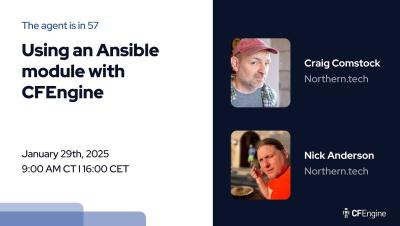
"CFEngine: The agent is in" is our monthly webinar series, where we show new features, teach best practices, and keep the community informed about everything CFEngine.
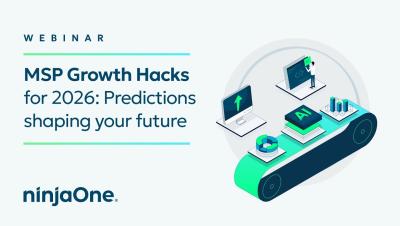
As we move into 2026, new technologies, market pressures, and customer expectations are reshaping what it takes for MSPs to stay competitive. Join us for an exclusive forward-looking session where we break down the most important trends set to shape the managed services industry in the coming year.
This training video from SolarWinds Academy provides a high-level overview of how the alerting process works within SolarWinds software. Technical trainer Cheryl Nomanson explains the step-by-step workflow, starting with the alerting engine continuously scanning the database for conditions that meet alert trigger thresholds. She covers how triggered elements are evaluated for suppressions (like time-of-day restrictions and scoping), and explains that only fully qualified conditions become actual alerts. The video details how alerts always display in the web console and may trigger additional actions like emails or scripts.
SolarWinds technical trainer Cheryl Nomanson presents a systematic approach to optimizing and building custom SNMP pollers. The tutorial walks through a step-by-step process starting with adding devices for SNMP monitoring using default pollers, then identifying missing metrics and checking if the required OIDs exist. If OIDs don't exist, she explains how to use alternative OIDs or data transformation tools.
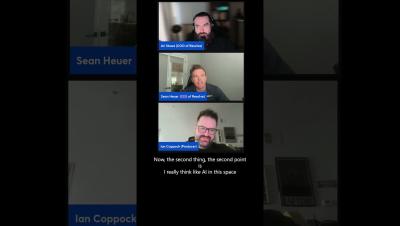
Agentic AI sounds great. But real IT needs guardrails. In this clip, we talk about where AI actually works today and why human-in-the-loop still matters.
In this clip from an AI roundtable with Gremlin, Nobl9, and PagerDuty, Mandi Walls talks about how companies will want to audit AI to keep it reliable.
Are you at the mercy of global data centers? In this session from our "From Idea to Agent" webinar, Ben Norris (AI Engineer at Civo) discusses why organizations are moving away from US hyperscalers. Learn how UK sovereign infrastructure ensures your sensitive data stays within national borders and subject only to local law.
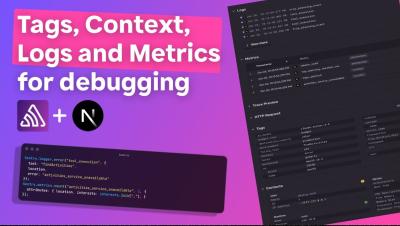
Adding additional information to issues captured in Sentry can help you identify and prioritize your most critical issues. Logs and Metrics help build context around the error and understand correlation and causation all in one place due to everything being trace connected.