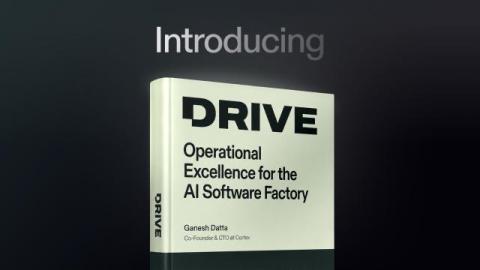
In a recent post, I argued that AI doesn’t fix weak engineering processes; rather it amplifies them. Strong review practices, clear ownership, and solid fundamentals still matter just as much when code is AI-assisted as when it’s not. That post sparked a follow-up question in the comments that’s worth sitting with: With AI speeding things up, how do teams realise something’s gone wrong before users do? It’s the right question to ask next.
Clear workflows make everyday work easier, but only when people can build and use them without friction. A process shouldn’t depend on technical skills or one specific owner to exist or make sense. InvGate Service Management’s no-code workflow builder focuses on accessibility from the start. Teams create workflows using a drag-and-drop editor, reusable building blocks, and no-code action connectors, which keep each step easy to follow and modify.
Stop paying for undead infrastructure that eats 30% of your cloud budget. Learn how to identify these hidden monsters and reinvest that waste back into innovation.
This is an updated and expanded version of the older guide. According to the 2025 State of SaaS report, organizations use an average of 106 SaaS apps. Staying on top of your SaaS vendors' status is as important as monitoring your own services. The Cloudflare, AWS, Azure, and Google Cloud outages in 2025 were strong reminders of this fact.
As the new year begins, development teams are looking to build momentum, set clear goals, and establish reliable, scalable processes that will help them deliver value consistently throughout 2026. That’s why many teams are turning to SQL Toolbelt Essentials: a powerful, easy-to-adopt toolkit that helps teams speed up database development, reduce risk, and standardize workflows.
For many teams, 2024 was the year of asking, “can OpenTelemetry do this?” In 2025, the community answered with a resounding “yes,” moving beyond experimentation to focus on what matters most in practice: stability, ease of use, and cross-project compatibility. That momentum now sets the stage for what’s to come for OpenTelemetry in 2026.
A typical ITOps day is consumed by manual triage, fragmented context, and coordination work that expands with scale and slows every incident. Your day begins with alerts that arrived overnight. The symptoms are partial and the blast radius is unclear, so the first task is not remediation; it is figuring out what is real, what is related, and what matters. Next, a ticket comes in with a brief description and no evidence. Ownership is unclear.
Errors get a bad rap, but they’re just trying to help. Remember, errors aren’t the enemy, they’re the messenger. Conventional wisdom tells you to think of errors as failures, as things that thwart progress and frustrate developers. The reality is that errors are actually there to help you. They prevent you from shipping broken code to production. They stop your application from continuing to operate incorrectly and costing you money.