If you have a large codebase with multiple developers shipping quickly – errors need to be caught quickly as well. To help ensure your code is performant and reliable while you’re deploying code, we partnered with GitHub to build a bridge between your CI/CD workflow and your favorite error monitoring tool (Sentry, of course).
President Joe Biden signed the Strengthening American Cybersecurity Act into law in March of 2022. The Act consists of various regulations, but it’s the security incident reporting requirements that are creating a stir in the IT community. Currently, the reporting requirements are focused on critical infrastructure, but there is a great deal of potential that entities in various industries could ultimately be subject to these requirements.
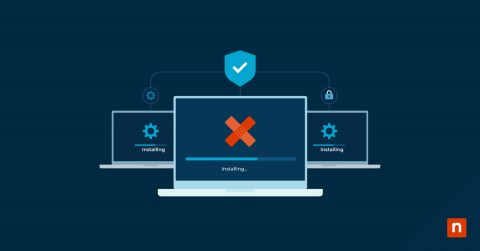
Since the number of Linux users currently sits at over 32.8 million, it’s clear that Linux is one of the most popular operating systems on the market. If your IT team uses or services Linux servers and devices, Linux patch management should be a top priority. Secure and update all your Linux devices with this comprehensive Linux patch management guide.
From Microsoft to Samsung, even the world’s leading tech enterprises often face the consequences of unpatched software, including security compromises, data theft, and loss of resources. It’s clear that patching is important for the success and security of an IT infrastructure; however, patch management is by no means an easy task.
Your code base is growing more and more by the minute alongside the apps your business uses and develops. To give some context, the Linux Foundation Report estimated that “Free and Open Source Software (FOSS) constitutes 70-90% of any given piece of modern software solutions”. This means that 70-90% of your final software possibly depends on OSS.
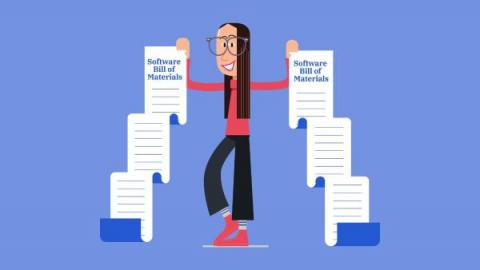
The EO 14028 regarding supply chain security and the need to generate a Software Bill of Materials feels closer to more and more organizations. It might feel like a threat - and that’s a fair feeling. The whole topic of Billing of Materials is not new, but it is a relatively recent trend for software.
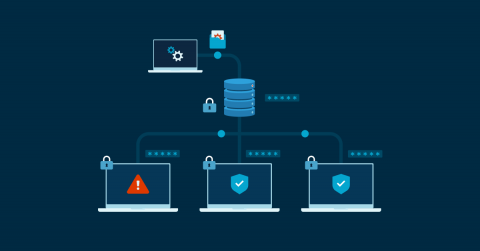
Patch management is the process that helps you keep your IT assets safe, protected, and functioning optimally. Server patching follows many general patch management best practices, but it also includes tasks and processes that are specific to patching servers. In this article, we’re going to discuss what patch management best practices apply to server patching in your IT environment, and how you can start improving your server patch management process.
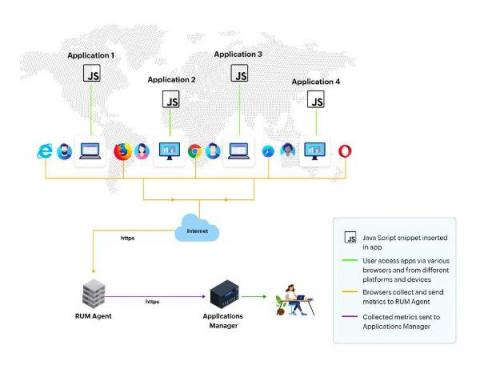
Real user monitoring (RUM) is used to collect and analyze data about user interactions with a website or application in real-time. This enables organizations to gain valuable insights into the performance and user experience of their digital products. Despite its importance, the significance of RUM is often overlooked, and many organizations fail to leverage its benefits. By employing a RUM tool such as Applications Manager (APM), you can stay vigilant by capturing real-time user interactions.