Operations | Monitoring | ITSM | DevOps | Cloud

Application Performance Monitoring vs Application Performance Management: Understanding the Differences

Ensuring optimal application performance is a Herculean task tee’d up for today’s IT operations teams. Adding to the confusion is the shared acronym of the two most common practices: While the terms are similar, the approaches and use cases are different.
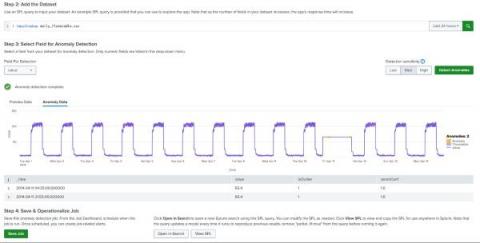
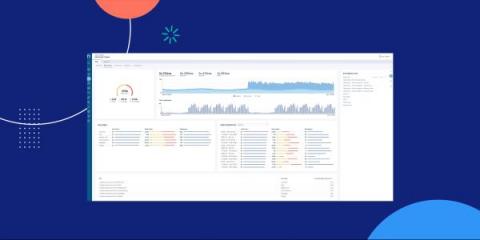
Fastest Time-to-Value Anomaly Detection in Splunk: The Splunk App for Anomaly Detection 1.1.0

Anomaly detection in metrics or time series data is the most used machine learning use case among Splunk Security and Observability customers. Customers are looking for easy-to-use ML-powered high-fidelity anomaly detection, so that they can be alerted at the first sign of a failure point or security incident.

For Better Software Vendor Management, EUC Teams Need Better Data

Software vendor management is difficult. You've probably experienced it. The service desk is flooded with tickets about a specific application. Employees are frustrated. Your EUC team investigates but can’t find the root cause. So, you reach out to the vendor. Then the inevitable happens: the vendor responds with “Everything is green from our perspective”. Yet, the issues persist. Tickets continue to come in. Frustrations continue to mount.

Cloud-Based vs Cloud-Native: What's the difference?

Get to know the differences between cloud-native and cloud-based applications, their benefits, and why a cloud-native tool like Cloudsmith is a game-changer for efficient and secure software artifact management. The term 'cloud' has become a buzzword in the tech industry, often used interchangeably to describe anything from online storage to complex computing services. But what does it really mean? And more importantly, what does it mean for your business?

We used GPT-4 during a hackathon-here's what we learned

We recently ran our first hackathon in quite some time. Over two days, our team collaborated in groups on various topics. By the end of it, we had 12 demos to share with the rest of the team. These ranged from improvements in debugging HTTP request responses to the delightful “automatic swag sharer.” Within our groups, a number of us tried integrating with OpenAI’s GPT to see what smarts we could bring to our product.

Top 4 Methods Used to Attack Networks (And How to Defend)

Threat actors use a number of different techniques to gain access to company networks so that they can deliver ransomware payloads. In this blog, we look at four of the most common techniques currently being used to attack networks. The intent is to help MSPs and IT admins understand where the threats are coming from, and then where to focus their attention in order to protect their (or their customers’) networks.

How to Avoid These Two Common Monthly Patching Problems

It’s here — that time to patch your endpoints. Maybe it’s something you enjoy, but my guess is probably not. Patching can be a brutal task, and with many organizations still doing it manually, they’re spending more time and resources on patching than anyone really wants to think about. Now, given the fact that you are going to spend all that time and resources on patching, you want to make sure it goes smoothly.

The Future of SEO: 6 Technology Trends Shaping Business Visibility

Search engine optimization (SEO) is no longer limited to traditional techniques like keyword research, content marketing, and link building. As technology continues to evolve, so too does SEO. The future of SEO lies in emerging technologies transforming how businesses increase their online visibility. By understanding how each trend works and leveraging its power for your business's benefit, you can stay ahead of the competition and ensure your website remains highly visible on SERPs for years.