Servers are almost inseparable from any IT infrastructure. Linux is the most compatible, open source operating system for servers because of its flexibility, consistency, and security. Most Linux servers are set up with any of these variants of Linux OS: Red Hat Enterprise Linux (RHEL), Debian, Fedora, openSUSE, CentOS, Suse Linux Enterprise Server (SLES), or Ubuntu. Basic troubleshooting of a Linux server’s primary metrics can be easily done using the built-in commands.
As we enter a critical period in the effort to mitigate climate change, organizations are facing mounting regulatory pressure—along with a biological imperative—to reduce their carbon footprint. And for those that maintain significant on-prem infrastructure, energy costs associated with operating hardware components can significantly affect their bottom line.
Artificial intelligence (AI) and associated technologies, such as machine learning and natural language processing (NLP), are used for daily IT operations tasks and activities. AIOps supports IT Ops, DevOps, and SRE teams working smarter and faster to identify digital-service issues earlier and address them quickly, preventing disruptions to business operations and customers. This is accomplished through algorithmic analysis of IT data and Observability telemetry.
Syslog is an event logging standard that lets almost any device or application send data about status, events, diagnostics, and more. It’s commonly used by network and storage devices to ship observability data to analytics platforms and SIEMs in order to support and secure the enterprise. Syslog is an excellent lightweight protocol to get telemetry from small scale devices.
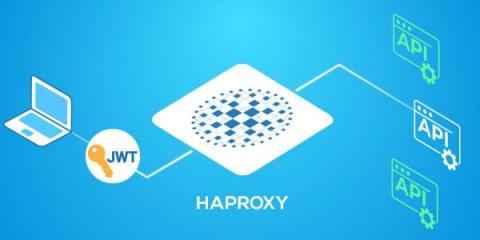
With HTTP REST APIs serving as the backbone of modern web applications, securing those APIs presents a critical challenge for organizations. APIs are typically designed to be discoverable, self-documenting, and easily consumed by a range of programming languages, and that makes them appetizing for hackers.