Operations | Monitoring | ITSM | DevOps | Cloud

When to Use K3s and RKE2

K3s and Rancher Kubernetes Engine (RKE2) are two Kubernetes distributions from the SUSE Rancher container platform. Either project can be used to run a production-ready cluster; however, they target different use cases and consequently possess unique characteristics. This article will explain the similarities and differences between the projects. You’ll learn when it makes sense to use RKE2 instead of K3s and vice versa.

The Immutability of Time Series Data

Time series data often comes in large volumes that need to be handled carefully to produce insights in near real time. We’re constantly moving through time. The time it took you to read this sentence is now forever in the past, unchangeable. This leads to something unique about data with a time dimension: It can only go in one direction. Time series data is different from other data for many reasons.

Monitoring and Observability in Azure Services

In the software industry, monitoring and observability come hand in hand and are referenced simultaneously, but both are not the same thing. Having the right tools for these capabilities is vital to keep your systems, data, and security perimeter safe. With cloud solutions topping up in the integration space, great tools have been available in the market, and choosing the right one would be challenging.

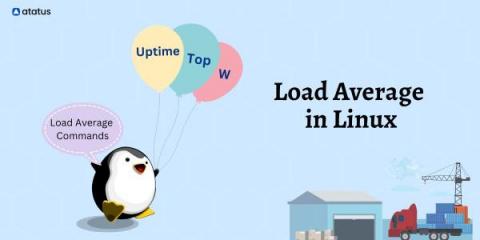
Explaining Load Average in Linux for System Administrators & Developers

When you run the uptime command, most of you might be familiar with the three numbers appearing on the top right corner of your Linux screen. But, do you know what those numbers indicate or why there are three such numbers? It is called the load average, a metric that assesses the load on your computer systems. While it can be considered a precise tool for measuring system and resource engagement, it would only be worthwhile if you understand it right.

Observability Pipelines for an SRE

In data management, numerous roles rely on and regularly use observability data. The Site Reliability Engineer is one of these roles. Site Reliability Engineers (SREs) work on the digital frontlines, ensuring performant experiences by using observability data to maintain stability and awareness of software running in various environments across organizations.

What to Know Before Becoming an Application Engineer

Application engineers play a crucial role in bridging customer needs and the efforts of application development teams. Applications are becoming more complex—businesses are seeking to deliver more services while the software engineering components underlying those them are expanding and interacting in new ways. This combination of factors is driving the need for application engineers who can understand both the business and the technical aspects of applications.

Can Your Cloud Migration Strategy Keep Up With the Speed of Business?

A hybrid infrastructure brings business benefits but it also brings new challenges. Migrating workloads to the cloud is a complex operation that generates more data than engineering teams can adequately manage. Traditional monitoring tools are limited in helping teams find and fix problems during and after a cloud migration. This can throw business strategies off course, limit customer value and hurt the bottom line.

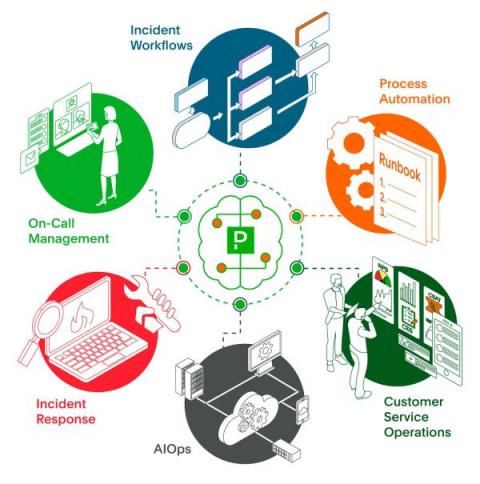
Doing More with Less: Building Greater Operational Efficiency with PagerDuty

How many of us can say with confidence that we know a tool inside and out? If you’re like most, you probably use just a small fraction of a product’s features. When it comes to feature-rich software like Microsoft Word or Excel, it’s a safe bet that most users are aware of less than half of the features, and use even less on a regular basis. And the longer we’ve been using a piece of software, the more likely we fall into this trap of feature underutilization.