Operations | Monitoring | ITSM | DevOps | Cloud

The Evolution of IBM Integration Bus to App Connect Enterprise

IBM Integration Bus was one of the first messaging middleware applications to be developed and it has gone through many iterations to reach the stage we are at today with App Connect Enterprise. Like any software application, it has become more feature-rich as time has passed and each iteration has marked a new milestone in the capabilities that it has delivered. We will trace some of the evolutionary paths of IBM Integration Bus to see how it came to be where it is today.

Authenticating Icinga 2 API Users with TLS Client Certificates

When interacting with the Icinga 2 API, the client is commonly authenticated using a password provided via HTTP basic auth. Icinga 2 also support a second authentication mechanism: TLS client certificates. This is a feature of TLS that also allows the client to send a certificate, just like the server does, allowing the server to authenticate the client as well.

Jon Leighton on How the Digital Employee Experience is Central to a People-First IT

Digital Employee Experience (DEX) is grossly understated in today’s corporate landscape, despite the growing interest in digital transformation in companies everywhere. Technology has long been central to the workplace, but not enough effort has been put into the experience of those who use it. Enterprises, especially global enterprises, can spend upward of tens of thousands of dollars on software and digital appliances to make work easier for their team.

Day in the life of an SRE

We spoke with two members from the SRE team, Alex Blyth and Zulhilmi Zainudin, to learn more about their role at Civo. Through this series, we aim to provide you with an overview of the different roles we have at Civo and what advice our team has. You can discover more about our team in our “day in the life of a Go Dev” and “day in the life of an Intern” blog.

Essential Tips to Build a Great Small Business Website

Without an online presence, running a business is no longer possible. You can't rely on only social media to reach out to people and provide all information related to your business. From products, descriptions, prices, and functioning hours. People look for everything online. If you have products or services, you need at least a small business website to let people know what you deal with. It surely helps you provide a market, reach more customers, and gain popularity in just a short period.

Introducing Cycle's Infrastructure Abstraction Layer (IAL)

Before I dive into the launch of Cycle’s latest feature (and it’s a big one!) I want to share some context about how we got here. Let’s rewind back to 2015: containers, at least in their modern form, had just begun to take the developer ecosystem by storm. At the same time, we at Cycle were watching everything unfold: from Docker’s meteoric rise to the first few releases of tools like Kubernetes, Rancher, and so on.

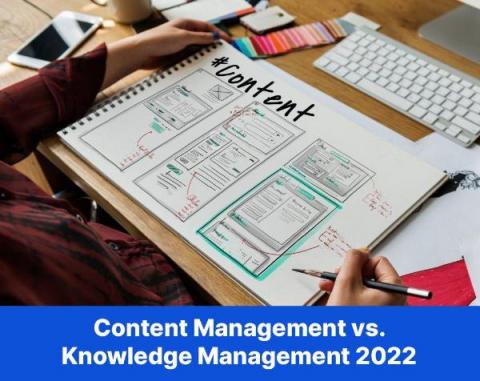
Content Management vs. Knowledge Management 2025

Content management and knowledge management may seem like interchangeable terms and are often used as such. However, there are noticeable differences. Simply put, knowledge is more about gathering information and building a knowledge base and is more abstract. It is the know-how that resides in an organization. On the other hand, content in a business context is translating the know-how into output. For instance, content would include this blog that details content and knowledge management.

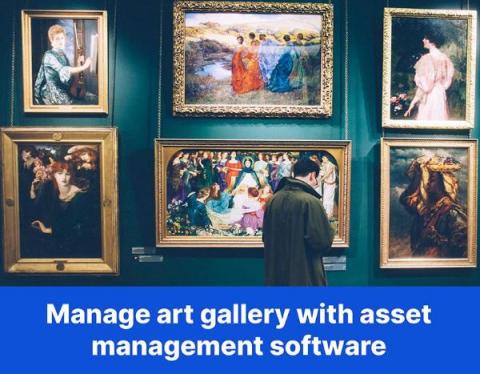
Manage art gallery with asset management software

An art gallery is a place where artists can showcase their work and sell their pieces. Asset management software can help gallery owners manage their inventory, keep track of sales, and track customer information. This type of software can also help with scheduling exhibitions and managing artist submissions.