Operations | Monitoring | ITSM | DevOps | Cloud

Collecting Kubernetes Data Using OpenTelemetry

Running a Kubernetes cluster isn’t easy. With all the benefits come complexities and unknowns. In order to truly understand your Kubernetes cluster and all the resources running inside, you need access to the treasure trove of telemetry that Kubernetes provides. With the right tools, you can get access to all the events, logs, and metrics of all the nodes, pods, containers, etc. running in your cluster. So which tool should you choose?
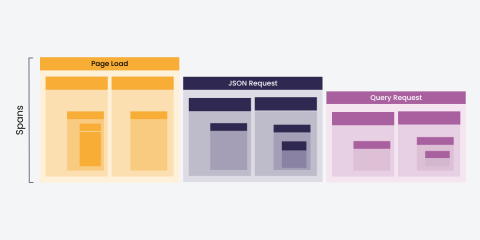
What are Spans in Distributed Tracing?

In modern software development, distributed systems have become increasingly common. As systems grow more complex and distributed, it can be challenging to understand how requests or messages move through the system and where bottlenecks may occur. This is where distributed tracing comes in. Distributed tracing is a technique that allows developers and operators to monitor and understand the behavior of complex systems.

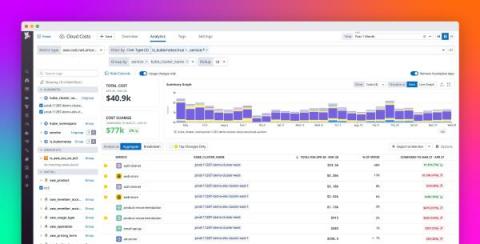
Understand your Kubernetes and ECS spend with Datadog Cloud Cost Management

Rising container usage has fueled a growing reliance on container orchestration systems such as Kubernetes, EKS, and ECS. As organizations increasingly opt to run these systems in the cloud, their cloud spend tends not only to grow but also to become more opaque due to the dynamic complexity of these environments. Typically, various services, teams, and products share cluster resources, and as nodes are added and removed, those resources continuously shift.

React quickly to cost overruns with Cost Monitors for Datadog Cloud Cost Management

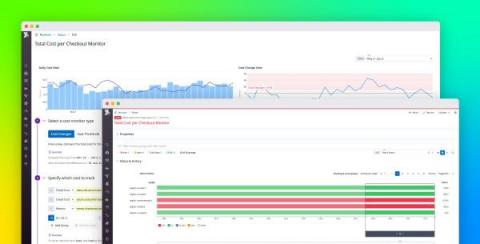
The dynamic nature of cloud costs can make it difficult to fully understand your cloud spend and embrace cost ownership at all levels of your organization. To establish cost governance, FinOps teams need a complete view of cloud costs, including allocation by team, service, and product. And DevOps teams need to detect, investigate, and quickly mitigate unexpected costs to minimize overruns, even as they continue to build features and operate their services.

The Data Scientist Role Explained: Responsibilities, Skills & Tools

As one of the most innovative, in-demand roles on the market, data scientists are responsible for harnessing the power of data to make valuable predictions and decisions. This blog post takes an in-depth look at what a data scientist does, from mining structured and unstructured data and extracting useful information to using advanced algorithms and technologies like machine learning and artificial intelligence (AI) for decision-making.

Delivering UK-wide edge computing with platformEDGE

As the UK’s edge infrastructure provider, we’ve launched platformEDGE™ — a next-generation platform that will enable regional businesses across the UK to harness the opportunity of digital transformation. PlatformEDGE is a UK-wide integrated infrastructure that enables scalable, high-performance, low-latency edge application delivery.

What Is Hybrid Cloud Automation? Examples, Use Cases + More Essential Info

What is hybrid cloud automation, and how can it help manage specific tasks in your environment? With more and more infrastructure moving into public, private, hybrid, and multi cloud environments, you may be exploring ways to automate manual processes that happen in the cloud — like configuration and deployment tasks. Let's dive into the definition and benefits of cloud automation, as well as some methods to approach this strategy in increasingly complex heterogenous computing environments.