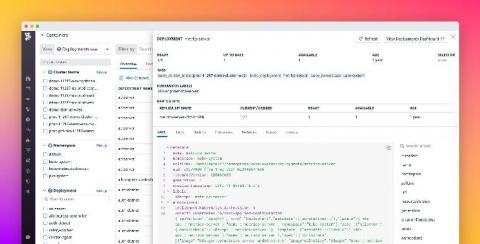
Open source and community have always been in the DNA of Netdata, with the Agent starting as a very popular open-source project. Since then, a lot has changed, with Netdata maturing into a company, and the Netdata Agent finding its place as an open-source project in a wider offering that redesigns the monitoring experience from the ground up.
Every journey in distributed tracing starts with instrumenting an application to emit or extract trace data from each service as they execute. There are many ways to instrument, including the use of SDKs and pre-configured frameworks, and many protocols for transmitting the trace data to the analysis tool.
In which we discuss upgrading our quirky billing system.
Teams of all types use Netdata to monitor the health of their nodes with preconfigured alarms and real-time interactive visualizations, and when incidents happen, they troubleshoot issues with thousands of per-second metrics on Netdata Cloud. But based on the complexity of the team and the infrastructure they monitor, some parts of their incident management, such as pre-planned communication and escalation processes, or even automated remediation, need to happen outside of the Netdata ecosystem.
The global COVID-19 pandemic crisis has proved to be a catalyst for change for organizations. Businesses have been spurred to continue investing more in IT budget to secure and support their remote workforce operations in spite of slow revenue growth due to the pandemic. According to a survey of more than 1,000 businesses by Spiceworks Ziff Davis, 76 percent of them plan on implementing long-term IT changes in their IT budget and 44 percent plan on accelerating their digital transformation plans.
Obkio users can now install Network Monitoring Agents on their Windows computers to collect network performance data and view it right on the Obkio app. Keep reading to learn all about the Windows Agents, including some key features and benefits.
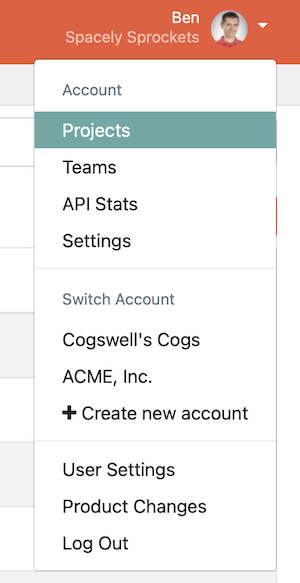
According to a definition of multitenancy, when an app serves multiple tenants, it means that there are a few groups of users who share common access to the software instance. An excellent example of an app that supports multitenancy is the Jira platform, where each company has its subdomain to access the software, for example, mycompany.atlassian.net.
Kubernetes has become the de facto standard for container orchestration, making it a key piece in the containerization strategy of many users. Amazon EKS Distro (EKS-D) is a Kubernetes distribution from AWS that lets you run on-premise clusters using the same tested Kubernetes versions, security features, and tooling that power Amazon EKS. This means that EKS-D is compatible with the Kubernetes tools and processes you’re already using, making it easy to operate in-house Kubernetes clusters.