Operations | Monitoring | ITSM | DevOps | Cloud

How to deploy a Node.js application to AWS Lambda using Serverless Framework

Being a developer is awesome. Writing code, solving problems, and thinking of ingenious solutions for complicated algorithms is what we live for. But, the grass is not always so green on this side of the fence. Sooner or later, you need to get your hands dirty and deploy the app you worked so hard on. Deployments are not always easy. To be blunt, they can be challenging and time-consuming. That’s what we’ll solve in this tutorial.

The 15 Best Container Monitoring Tools For Kubernetes And Docker

There are many tangible benefits to using containers for your computing needs. Containers help break large applications into smaller packages that are more agile, scalable on-demand, resilient, cost-effective, and less resource-hungry than monolithic apps or workloads running on traditional virtual machines (VMs) or bare metal servers. They also enable developers to develop applications in one environment, deploy them in another, and run them anywhere.

The Urgency Driving AIOps into Your Enterprise

AIOps was once considered just a back-office fundamental, a solid suite of tools simplifying routine security and network monitoring tasks that primarily served the IT shop. The accelerated pace of digital transformation is changing that. Now, IT service and operations teams are in the spotlight and tasked with enabling business performance that help their companies provide seamless digital experiences and evolve in a fast-changing economic environment.

What is RMM (Remote Monitoring Management)?

We’re gradually shifting more to working remotely. And, the number of companies embracing remote and hybrid workforces in the wake of the pandemic is a substantial proof. Nevertheless, several organizations do face varied challenges from welcoming these conventional IT solutions as switching to these initiatives tend to seem quite tedious.

What Is Synthetic Monitoring?

Fully functioning sites, stores, and backend systems are essential for attracting customers, delivering services, and managing operations internally. Every organization’s systems and processes have a direct impact on its business, revenues, and reputation. IT performance monitoring should strive to ensure that the systems and processes of any organization operate correctly, round the clock.

Log Management 101: Log Sources to Monitor

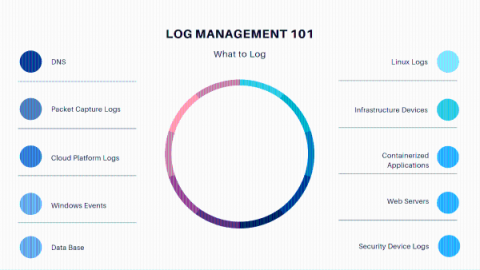
Log management software gives the primary diagnostic data in your applications’ development, deployment, and maintenance. However, choosing the log sources to log and monitor could often be a daunting task. The primary cause of concern in monitoring all sources is the high price tag that many SIEM tools in the market charge based on the number of users and sources ingesting logs. At observIQ, we offer unlimited users and sources.

Logging Ain't Easy ...But It Could Be

Real talk – logging tools aren’t exactly known for being easy to use, manage, or onboard. With the technology landscape continuously evolving, enterprises are often left scrambling to rapidly adapt and conform to new requirements of operating across hybrid infrastructures. It is in these ecosystems that logs are now more crucial than ever in the day-to-day operations of Ops teams.

A Proactive Approach To Holiday Season Monitoring

Big sales make up a huge chunk of eCommerce annual business, with shoppers having spent $10 billion plus during Black Friday 2020 alone. The right holiday can mean a big deal for your operations. However, with those windfalls come the breaks aimed squarely at crippling your devops pipeline. In many ways, waves of traffic are what you’ve been building for, but sudden bursts are difficult to test for and anticipate. The situation changes with the tides.

Explore Azure App Service with the Datadog Serverless view

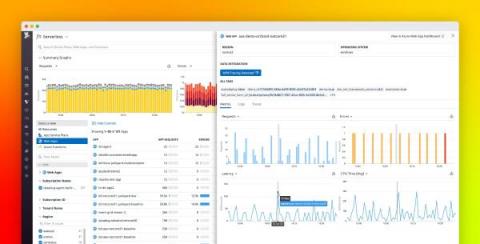
Azure App Service is a platform-as-a-service (PaaS) offering for deploying applications to the cloud without worrying about infrastructure. App Service’s “serverless” approach removes the need to provision or manage the servers that run your applications, which provides flexibility, scalability, and ease of use. However, App Service also introduces infrastructure-like considerations that can impact performance and costs.