Operations | Monitoring | ITSM | DevOps | Cloud

Move fast, don't break things: Consistent testing standards at scale

Moving quickly is essential for modern engineering teams, but speed without guardrails can introduce hidden risks in testing. As organizations scale, teams often define and apply coverage standards inconsistently across services and repositories. What qualifies as “acceptable coverage” in one project may be completely different in another. Without automated enforcement, untested code can slip through reviews.
Improve test coverage across codebases with Datadog Code Coverage

As codebases grow across many different services, it becomes harder to see what test suites actually cover. AI-assisted development and faster release cycles increase the volume of changes landing in repositories, raising the risk that untested code will make it through to production. To maintain a high standard, teams need clear and scalable visibility across repositories, consistent testing standards, and a way to catch blind spots before they reach users.

Why Monitoring Matters for Modern Hosting Platforms

With all the discussion in the dev community lately about changes made at Heroku, we wanted to use this moment to talk about PaaS (Platform as a Service) providers and how AppSignal can be a vital tool to ensure you're using your app's hosts for everything from optimal performance to lower usage bills.

OpenTelemetry in Production: Design for Order, High Signal, Low Noise, and Survival

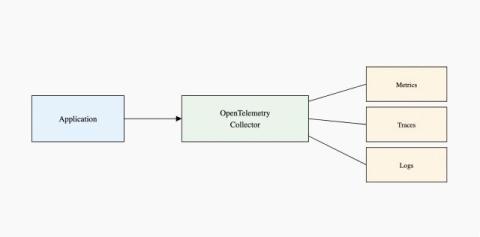
A lot of talk around OpenTelemetry has to do with instrumentation, especially auto-instrumentation, about OTel being vendor neutral, being open and a defacto standard. But how you use the final output of OTel is what makes business difference. In other words, how do you use it to make your life as an SRE/DevOps/biz person easier? How do you have to set things up to truly solve production issues faster?

Sentry acquires XcodeBuildMCP

Today we're announcing that Sentry has acquired XcodeBuildMCP, an open source MCP server that gives AI agents the ability to build, test, and debug native iOS and macOS apps. XcodeBuildMCP has become a go-to tool for agentic Apple-platform development, with more than 4,000 GitHub stars and an active community. It unlocks the full developer loop: build, run, debug, interact, and verify, allowing users to stay in their preferred agentic development environment.

Agent vs Assistant: The key distinction between Olly and the competition

The market is saturated with agents and assistants, making it difficult to tell them apart. However, the difference between these two approaches is significant. They offer radically distinct levels of impact, reflecting major differences in both their technical complexity and the quality of their inferences. Let’s figure out the distinction.

Happy Birthday to Us: Honeycomb 10 Year Manifesto, Part 1

Christine and I started Honeycomb in 2016, which means it’s been ten years. Christine, a developer, and I, an operations engineer, were both profoundly unhappy with the state of the art in monitoring and logging tools. The tools we had used at Facebook didn’t spray our signals around to a bunch of siloed-off pillars. They consolidated as much context as possible so we could properly explore it, the way every other non-software engineering team already takes for granted.

A Notification List Is Not a Team

In the previous post, we looked at how alert noise is rarely accidental. It’s usually the result of sensible decisions layered over time, until responsibility becomes diffuse and response slows. One of the most persistent assumptions behind this pattern is simple. If enough people are notified, someone will take responsibility. After more than fourteen years of working with engineering teams of every size and shape, we’ve seen this assumption fail repeatedly.