Operations | Monitoring | ITSM | DevOps | Cloud

The latest News and Information on IT Service Management, Service Desk and related technologies.

Selecting the Best Azure VM Type for Your Workload

Organizations all over the world have been moving workloads to the cloud. Microsoft Azure provides a host of benefits and services which make it a top choice for on-premises to cloud migrations. When it comes to migrating workloads, Azure virtual machines are a great choice with VM options up to 416 vCPUs and 12 TB of memory and storage IOPS up to 3.7 million.

7 ways to optimize cloud costs

Do you know what keeps Cloud Administrators up at night? Yes, you guessed it right. Cloud bills!!! These unpredictable cloud bills. With the recent allure of the “pay-per-use” model of the public cloud, organizations over-use and over-spend on cloud resources. Especially with this unrestrained freedom to create new instances on the go, mitigating cloud costs is a daunting task, even for the early and heavy adopters of public clouds.

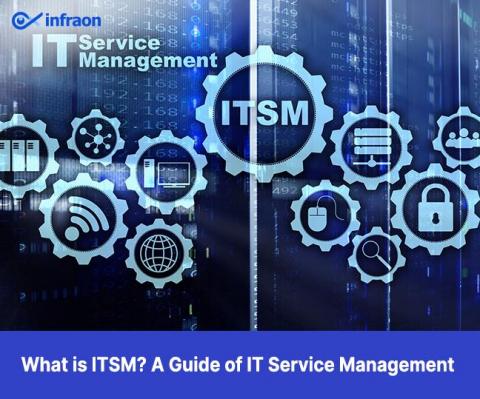
What is ITSM? A Guide to IT Service Management

ITSM, or IT Service Management, is a holistic approach to managing and delivering technology-based services to an organization. It involves various aspects such as planning, designing, building, deploying, maintaining, and improving IT services to meet the needs of both internal and external stakeholders. The goal of ITSM is to consistently improve the quality and speed of service delivery and, ultimately, enhance customer satisfaction.

How the Department of Labor models government digitization

Agencies have taken a siloed approach to deploying technology solutions to meet government digitization and modernization goals. Although this allows them to roll out rich digital experiences for citizens and employees, it’s not a scalable method—nor is it effective in terms of cost and resources. Like many agencies, the U.S. Department of Labor (DOL) had several key platforms in place to drive its digitization efforts, but the management of these platforms lacked centralization.

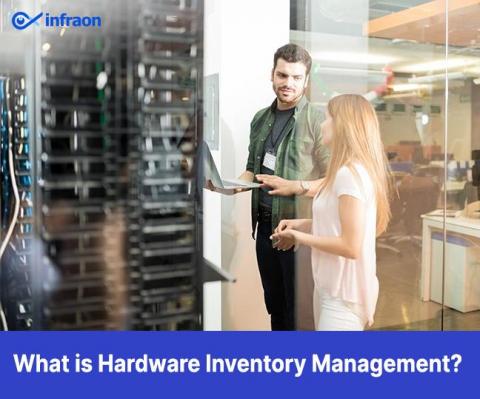
Hardware Inventory Management - A Complete Guide

Hardware inventory management is the process of tracking and managing the physical assets and equipment used in an organization. It involves identifying, counting, and maintaining records of all hardware items, such as computers, servers, tools, and other equipment. This includes monitoring the location, quantity, and status of each item, as well as keeping track of when items are added, removed, or replaced.

How data anonymization can strengthen data privacy

Data Privacy Day is an international event observed on Jan. 28 in the United States, Canada, Nigeria, Israel, and 47 European countries. It’s a time to raise awareness about data protection best practices. At ServiceNow, one day is not enough to focus on data privacy. We prioritize protecting personally identifiable information (PII) for organizations and individuals every day of the year. One of the best ways to do that is through data anonymization.

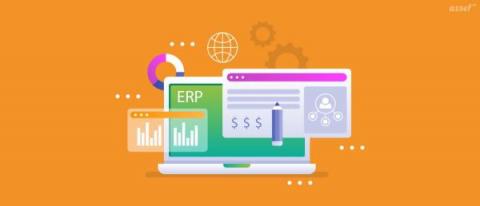
What are the features of Asset Infinity's asset management software that overshadows the ERP system?

Enterprise resource planning and asset management software are both used in improving business productivity and optimizing daily operations. They both focus on growing business by integrating data from other applications. So, we can say that there are lots of similarities between these systems. In this blog, we will learn what Enterprise resource planning & Asset management software is, and its benefits.

How to Automate Contract Expiration Reminders and Avoid Missing Deadlines

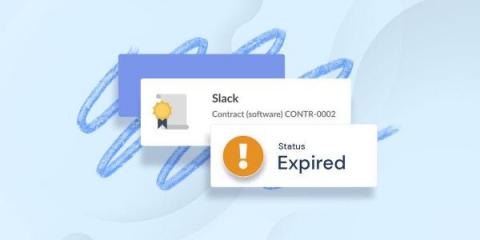
With a large number of contracts constantly in flux, it's easy for any organization to forget when a contract is superseded by a new version or expires altogether. This can lead to missed opportunities and even costly fines if certain aspects of contract compliance aren't adhered to. For busy IT teams, it is increasingly important to stay on top of contract expiration dates and create remedies to keep up with the fast-paced changes.