Operations | Monitoring | ITSM | DevOps | Cloud

The latest News and Information on Incident Management, On-Call, Incident Response and related technologies.

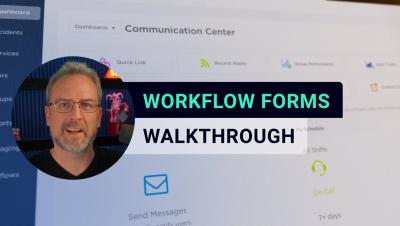
xMatters Ninja Release Updates - xMatters Demo

Join Belinda Joseph, Sr. Director of Marketing Events, and Corey Blakeborough, Solutions Architect, as they highlight and walkthrough some of the fantastic new features that rolled out during the xMatters Ninja release. Some of these great new features include the service dependencies map, the automation of digital and business response, and brand new unified alert reports!

Equitably distribute on-call responsibility and streamline incident response with Round Robin Scheduling

PagerDuty is excited to introduce Round Robin Scheduling. Round Robin Scheduling allows teams to equitably distribute on-call shift responsibilities amongst team members. Automatically assigning new incidents across different users or on-call schedules on an escalation level ensures that teams are resolving incidents as efficiently as possible. And, by balancing the workload across multiple users, there’s less risk of burnout.

Intelligent Swarming vs. Tiered Support: How Customer Service Teams can use PagerDuty to Swarm Critical Issues

Most support organizations today adopt some form of the traditional tiered support model. It is one that is based on a process of escalations and customer handoffs. Under this model, customer issues get escalated through multiple levels of a support hierarchy, with three tiers being a common workflow.

Learn how PagerDuty can help address critical work across all departments

PagerDuty’s Operations Cloud helps organizations with critical work across the entire business, from IT teams to customer service to human resources, marketing, sales, and more. With PagerDuty, organizations can prioritize accurately, respond efficiently, and reduce operational overhead. In this blog post, we’ll share examples of how PagerDuty can be used for critical work in all departments, not just IT, using our new Solution Guides for Business.

What the Ideal Incident Lifecycle Should Be

Today’s organizations are managing increasingly complex IT ecosystems and pressured to deliver on innovation—all while trying to maintain service performance and reliability to keep up with the always-on digital economy. With IT complexity growing exponentially, incidents have become a common, if not day-to-day struggle for many businesses. Incident management is the process or method that modern organizations use to prepare for and respond to service disruptions.