The latest News and Information on DevOps, CI/CD, Automation and related technologies.
Network Policy is a critical part of building a robust developer platform, but the learning curve to address complex real-world policies is not tiny. It is painful to get the YAML syntax right. There are many subtleties in the behavior of the network policy specification (e.g., default allow/deny, wildcarding, rules combination, etc.). Even an experienced Kubernetes YAML-wrangler can still easily tie their brain in knots working through an advanced network policy use case.
In this post we’ll explore the concepts of data lake, data hub and data lab. There are many opinions and interpretations of these concepts, and they are broadly comparable. In fact, many might say they’re synonymous and we’re just splitting hairs. But let’s look again carefully. We can discern some subtle trends in the way people are doing things, and find distinctions in these expressions.
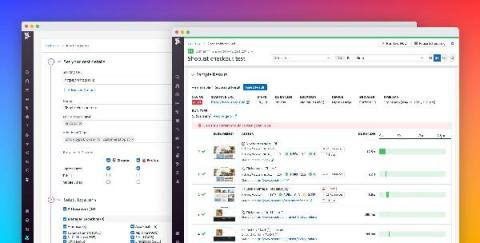
Your users access your application from a wide range of browsers, which have their own implementations of HTML, CSS, and JavaScript. For instance, many modern JavaScript features such as Promises and Arrow Functions are unsupported by some browsers. These inconsistencies can lead to missing elements and malfunctioning workflows that affect some—but not all—of your user base.
The value of Mattermost is significantly enhanced with third-party tool integrations and customization. Today, we are releasing the developer preview of a new Apps Framework for creating application integrations and customized workflows. The Apps Framework complements the existing ecosystem of plugins and allows apps to be written in any language and deployed with serverless hosting.
At Cloudsmith, we believe that packaging should be at the centre of any modern build and deployment process. In fact, we think that Continuous Packaging is the glue that ties Continuous Integration and Continuous Deployment or Delivery together. So with that in mind, in this blog, we will take a walk through how easy it is to integrate Cloudsmith with a Semaphore CI workflow and push the artifacts and packages that you build to a private repository. TL:DR – It’s super easy.