Cloud native trends for 2022
It's 2022 and time to predict a few things for the coming year in the cloud native ecosystem.


The latest News and Information on Containers, Kubernetes, Docker and related technologies.
It's 2022 and time to predict a few things for the coming year in the cloud native ecosystem.
Adopting a container-first approach represents an unrivalled opportunity for financial institutions to increase system efficiency and resource utilisation, improve security, introduce automation, and accelerate innovation. Containers offer a logical packaging tool in which applications can be decoupled from the underlying infrastructure on which they run.
Does this combination of words sound somewhat new to you as well? It may be just me, but having the opportunity to work on both sides, software development and system administration, the combination above seemed somewhat new or different to me. I always saw Oracle as something that would be managed and owned by the System Administrators. Technologies such as the database, ERPs, finance systems, and more which would take quite a lot of effort and cost to implement and maintain.
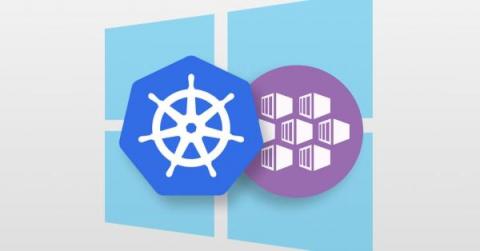
Windows applications constitute a large portion of the services and applications that run in many organizations. When moving to a Kubernetes-based architecture, there is a need to support these as well. Up until April 2020, the lack of container support within the Windows operating system left Linux container images as the only viable option for Kubernetes container deployment.
Let’s face it: Creating the optimal CI/CD workflow is not always a simple task. In fact, writing effective and efficient configuration code is the biggest hurdle that many developers face in their DevOps journey. But you don’t need to be an expert to set up a fast, reliable testing and deployment infrastructure. With a few straightforward techniques, you can optimize your config.yml file and unleash the full potential of your CI/CD pipelines.