Operations | Monitoring | ITSM | DevOps | Cloud

The latest News and Information on Containers, Kubernetes, Docker and related technologies.

Understanding Kubernetes pod pending problems

Kubernetes pod pending is ubiquitous in every cluster, even in different levels of maturity. If you ask any random DevOps engineer using Kubernetes to identify the most common error that torments their nightmares, a deployment with pending pods is near the top of their list (maybe only second to CrashLoopBackOff). Trying to push an update and seeing it stuck can make DevOps nervous.

Kubernetes: Tips, Tricks, Pitfalls, and More

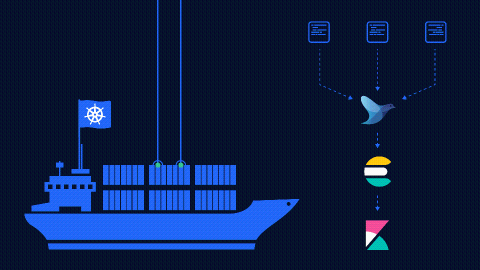
If you’re involved in IT, you’ve likely come across the word “Kubernetes.” It’s a Greek word that means “boat.” It’s one of the most exciting developments in cloud-native hosting in years. Kubernetes has unlocked a new universe of reliability, scalability, and observability, changing how organizations behave and redefining what’s possible. But what exactly is it?

The History of Cloud Native

Cloud native is a term that’s been around for many years but really started gaining traction in 2015 and 2016. This could be attributed to the rise of Docker, which was released a few years prior. Still, many organizations started becoming more aware of the benefits of running their workloads in the cloud. Whether because of cost savings or ease of operations, companies were increasingly looking into whether they should be getting on this “cloud native” trend.

Best Practices for Container Security on AWS

Containers are superior to Virtual Machines (VM) in many aspects, including the benefits of being lightweight, easily scalable, highly portable, etc. AWS provides two primary container services i.e., Amazon Elastic Container Service (Amazon ECS) and Amazon Elastic Kubernetes Service (EKS). Although both ECS and EKS are growing in popularity but achieving security while using these services is relatively a new topic.