Operations | Monitoring | ITSM | DevOps | Cloud

Dynamic MCP Server Demo | Connect Claude to Enterprise Automation in Minutes

See how the new Dynamic MCP Server in Resolve Actions Pro 8.1 lets AI assistants like Claude discover and execute approved Resolve runbooks through the Model Context Protocol (MCP). Watch enterprise automation happen in real time with secure, auditable execution.


Why AI Governance Is Now the Biggest Challenge for Enterprise AI

For the past couple of years, most conversations about AI in business have centered on adoption. Which tools should organizations deploy? Where can AI improve productivity? How quickly can it deliver value? Those questions still matter, but they are no longer the most difficult ones to answer. AI is now appearing across business applications, employee workflows, development environments, and customer-facing services.

AI gateway best practices: Model routing, reliability, and budget controls for production agents

Organizations are increasingly using multiple models to build AI agents in order to find the best balance of performance and cost for each agentic task and LLM call. As we discovered in the 2026 State of AI Engineering report, there isn’t currently a clear winner in terms of adoption among competing models and many organizations are keeping older models in flight despite frequent new releases.

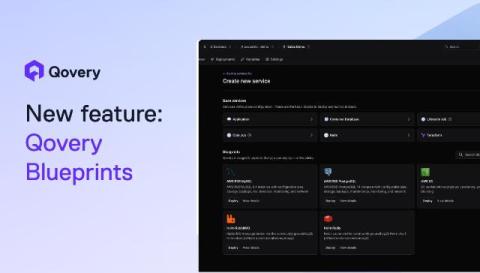
Your Agents Need Infrastructure Too. Meet Qovery Blueprints.

AI agents are provisioning infrastructure now, not just writing code. Qovery Blueprints let you define what an agent, or a developer, is allowed to deploy and under what cost rules, so that self-service or delegation doesn't mean losing control. Alessandro leads product at Qovery. He drives the changelog, roadmap, and product strategy - turning customer feedback into platform capabilities.

Your Prospect Data Is a Pipeline, and Nobody Is Monitoring It

Engineering teams have spent a decade learning that data has a shelf life. Metrics go stale. Caches drift. Pipelines break quietly and keep serving results that look plausible until someone checks the source. That is why observability exists as a discipline and not just a dashboard.

How eDiscovery Review Strengthens Evidence Analysis for Legal Teams

Legal evidence now lives across emails, chat exports, contracts, spreadsheets, shared drives, and metadata trails. For legal teams, the real challenge is not collecting documents; it is finding the material that can support, weaken, or reshape a case. A disciplined review process turns scattered information into organized evidence that attorneys can trust.

AI ROI is not an engineering metric

I spend most of my week talking to companies about AI ROI. A few months ago, that was still a weirdly specific conversation. Now it’s everywhere. CloudZero spends a lot of time in that conversation, so I’m glad the market is talking about it. But the conversation tends to start, and stall, in the wrong place. There are two ideas I keep coming back to: That doesn’t mean developer productivity is fake. It’s very real.

Sentry + GitHub Copilot Agents

Seer, Sentry's agent debugger, analyzes your issues and finds the root cause. Now you can pass that analysis directly to a GitHub Copilot agent which picks up the context, generates a fix, and opens a pull request. The agent session and PR both live on GitHub, with a link back in Sentry for easy access. This video walks through how the integration works.

Why Internal Agents Must Be Rebuilt with Runtime Context

As we entered 2026, enterprises raced to build internal AI engineering agents, automating incident response, code review, and support. The investment was real, but 88% of these pilots never reached production, and teams are now in rebuild mode, trying to understand why. Live runtime validation was the key architectural decision skipped in these v1 agents and it’s still missing from many v2 designs. Agents need to verify their reasoning against production before they act.