Operations | Monitoring | ITSM | DevOps | Cloud


The latest News and Information on DevOps, CI/CD, Automation and related technologies.
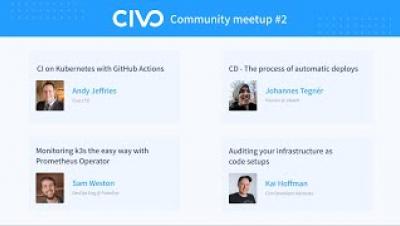
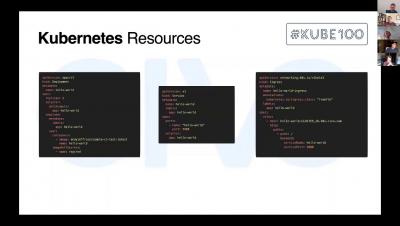
Continuous Integration on Kubernetes with GitHub Actions - Andy Jeffries
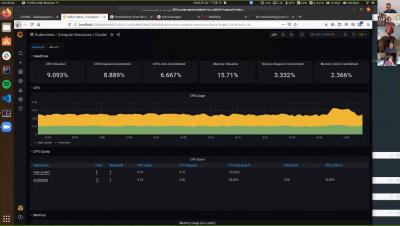
Monitoring k3s with Prometheus Operator, Alert Manager and Grafana - Sam Weston
Auditing your infrastructure as code setups with Checkov by BridgeCrew - Kai Hoffman
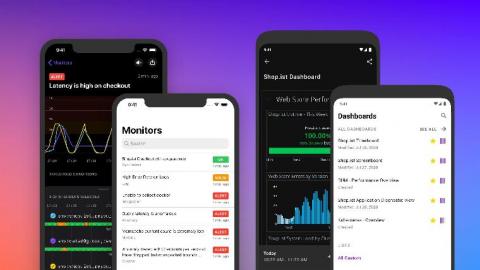
Introducing the Datadog mobile app
When you’re on call and get paged at an inconvenient time, you need to be able to quickly determine the seriousness of the issue and act decisively to reduce system downtime. But pager notifications often don’t give you the information you need to investigate an issue from your mobile device, meaning that access to a laptop at all times is a must.

Stream logs to Datadog with Amazon Kinesis Data Firehose
Amazon Kinesis Data Firehose is a service for ingesting, processing, and loading data from large, distributed sources such as clickstreams into multiple consumers for storage and real-time analytics. AWS recently launched a new Kinesis feature that allows users to ingest AWS service logs from CloudWatch and stream them directly to a third-party service for further analysis.

Why Netdata is free
When I first started the project that became the Netdata Agent, I was trying to solve a painful, real-world problem: IT infrastructure monitoring tools fell short when it came to providing complete, granular metrics in real time. Believe me, I had no shortage of tools to choose from, but each of them lacked something either in the ability to see every metric I needed, or see it at the frequency required.
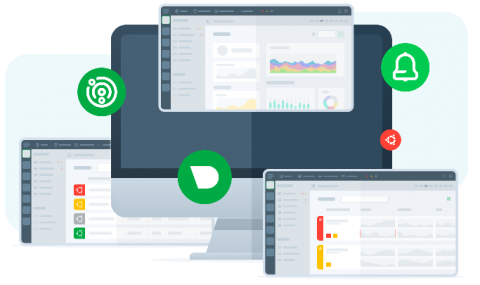
Introducing the all-new Netdata Cloud
Netdata Cloud works differently from other monitoring solutions. Most solutions limit the number and frequency of metrics because they rely on architectures that aggregate data. Netdata Cloud, however, streams limited metadata from each node running the Netdata Agent, keeping you in control of the data on your systems. The advantage of this architecture is that there is no limit to the number or frequency of metrics, regardless of the scale or complexity of your IT infrastructure.
Observability Across the Development Lifecycle: A Convo with Andre Boutet of OneSpan
At OpenObservability, we had the pleasure to sit down with Andre Boutet, the Senior Director of Cloud Operations and Services for OneSpan. Andre had a conversation with our CTO, Jonah Kowall, around what observability means to his team and his organization. Teaser: It’s not just about ensuring uptime and availability for external systems. It’s a philosophy with a foundation on supporting the entire development lifecycle.