Operations | Monitoring | ITSM | DevOps | Cloud


The latest News and Information on DevOps, CI/CD, Automation and related technologies.



How deep is your love for YAML?
There is no doubt that YAML has developed a reputation for being a painful way to define and deploy applications on Kubernetes. The combination of semantics and empty spaces can drive some developers crazy. As Kubernetes advances, is it time for us to explore different options that can support both DevOps and Developers in deploying and managing applications on Kubernetes?

Top Devops Tools: 10 Essential Tools for Actual Practitioners
Nowadays, the efficiency of a company’s IT infrastructure is commonly measured in how often it can deploy new versions of the software. Faster, better deployments are one of the main goals of the DevOps mindset. Therefore, to not fall behind the competition, one needs to implement DevOps practices. But DevOps isn’t just about deploying fast and often. DevOps is a set of practices and tools that help deliver better-quality software faster. The “quality” is the key here.

Best practices for getting started with Datadog Network Performance Monitoring
Whether running on a fully cloud-hosted environment, on-premise servers, or a hybrid solution, modern services and applications are heavily reliant on network and DNS performance. This makes comprehensive visibility into your network a key part of monitoring application health and performance. But as your applications grow in scale and complexity, gaining this visibility is challenging.

Ubuntu and Canonical - providing an ecosystem of robotics solutions for your drones
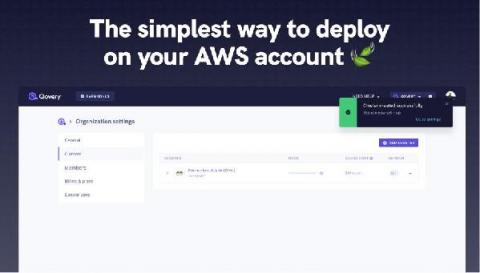
Product Update: What's New For September 2021
Last June, we released Qovery v2 - a brand new version of Qovery. Since then, we have worked on delivering the features you were waiting for AND made dozens of improvements based on your feedback. Thanks to our lovely dev community and customers.

What is an SRE?
A comprehensive definition of SREs and Site Reliability Engineering, including what SREs do and what makes SREs different from other roles.

Elastic and HashiCorp partner to bring infrastructure-as-code to Elastic Cloud
Operations and SRE teams often rely on HashiCorp Terraform to safely manage production-related infrastructure using methodologies such as infrastructure as code, which allows you to apply peer-reviewed infrastructure changes in an automated and controlled fashion.

Ubuntu 21.10: Release the party
There ain’t no party like an Ubuntu release party. You might think that you are a party animal, but have you seen an Impish Indri? Some time ago, it was common for the Ubuntu LoCos (local communities) to host and run ‘release parties’, meet-ups, and get-togethers where members of the wider community come together to talk about all things Ubuntu. This idea has somewhat disappeared. But what’s stopping it from coming back?