The latest News and Information on Containers, Kubernetes, Docker and related technologies.
Extended Berkeley Packet Filter (eBPF) is a relatively new feature for Linux kernels that has many DevOps, SREs, and engineers excited. But is it a one-stop shop solution for all of your Linux kernel needs? Let’s take a look at what eBPF does well, and how it stacks up against standard Linux iptables.
The idea to fully manage applications and infrastructure using a Git-based workflow, or GitOps, is gaining a lot of traction recently. We are seeing more and more Shipa users adopting GitOps as the cloud-native deployment methodology. While it is no secret that ArgoCD and FluxCD are by far the most used tools today, we see FluxCD users trying to address the challenges below.
How can you run a fully managed Kubernetes in a private cloud at half the cost of Amazon EKS (Elastic Kubernetes Service)?
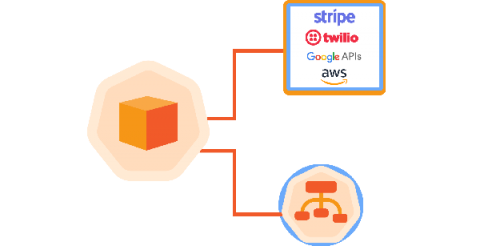
A fundamental element of the Kubernetes microservices system is the services model, which gives teams greater understanding of how their applications are deployed. These objects running within pods and containers, by extension, are RESTful since they’re based on APIs. However, DevOps teams can’t hope to run a tight ship without managing their services. Communication and visibility are absolutely crucial in a Kubernetes system.