
Operations | Monitoring | ITSM | DevOps | Cloud

Kubecost Vs. OpenCost: What's The Difference? (Updated 2026)

Kubernetes (K8s) adoption has exploded over the past few years. But it hasn’t been easy to monitor, manage, and optimize K8s costs. To provide greater cost visibility into Kubernetes clusters and environments, Kubecost launched in 2019 and was acquired by IBM in 2024, while OpenCost debuted in 2022. OpenCost has several founding contributors. But Kubecost developed the cost allocation engine that the OpenCost implementation uses.
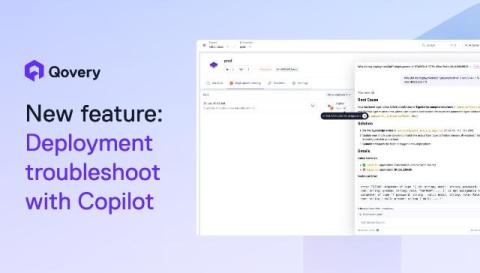
Beyond the spreadsheet: Using GitOps to generate DORA-compliant audit trails.

In the 2026 regulatory landscape, manual audits are a liability. This guide explores using GitOps to generate DORA-compliant audit trails through IaC, drift detection, and automated segregation of duties. Discover how the Qovery management layer turns compliance into an architectural output, reducing manual overhead for CTOs and Senior Engineers.

#054 - From Shiny Objects to FinOps: Taming Cloud Costs in the AI Era with Josh Schlanger (CloudX...

In this episode of the Kubernetes for Humans podcast, we are joined by infrastructure and FinOps expert Josh Schlanger. Drawing on over 15 years of experience across Martech, e-commerce, and health tech, Josh shares why solving core business problems should always take priority over chasing new, "shiny object" technologies.

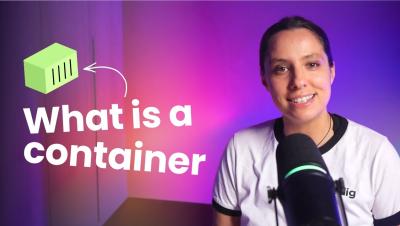
What Are Containers? (And Why "It Works on My Machine" Finally Dies)

What are containers in DevOps—and why do they solve the classic “it works on my machine” problem? In this episode of Cloud Security in a Minute, Sysdig breaks down containers in simple terms: what they are, how they work, and why they’ve become the backbone of modern cloud applications. You’ll learn: Containers package everything an application needs—code, dependencies, and system tools—so it runs consistently anywhere: your laptop, the cloud, or at massive scale.