Operations | Monitoring | ITSM | DevOps | Cloud

Container Logging & DevOps: The Future of Kubernetes Integration

With the transition to containers and Kubernetes well underway the need to view and monitor your application performance has never been greater. There are several different ways to implement a logging solution within a container based infrastructure. From security and compliance to on-prem vs hybrid there are many important factors to consider when you build out your logging infrastructure.

Instrument Your Rails Apps Automatically With Honeycomb's New Rails Integration

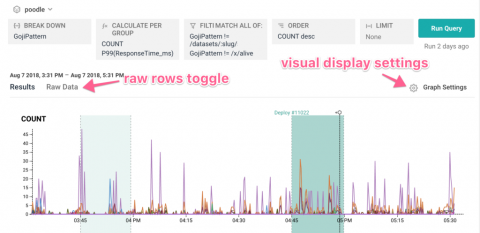
You’ve always been able to get observability for your Ruby apps by instrumenting them with our SDK, affectionately known as libhoney. Unfortunately, instrumenting code you’ve already written is nobody’s favourite job. If only there were some way to automate the repetitive parts, so you could get instant insight into what your app is doing in production, and then focus your effort on augmenting that insight with the information that’s unique to your app!

Integrating Threat Intelligence with Graylog

In my last post, I gave a high-level overview how to select a threat intelligence vendor and how to integrate indicators of compromise (IOCs) into your SIEM or log management environment. In this post, I will describe in detail how to use the Threat Intelligence plugin that ships with Graylog. I’ll start with the steps necessary to prepare your data, then explain how to activate the feature and how to configure it for use.

Retrace Log Management: Logs, Errors and Code Level Performance

Log management is traditionally described as a way to collect all of your log data in one place so you can use it for a wide variety of uses. Retrace APM with log management aims to create the perfect product and user experience for developers with specific needs for managing logs..

Get Observability for Your Mobile Apps with Honeycomb

If you think about it, mobile apps are among the production services most in need of real observability: nearly countless hardware platforms and operating systems in combination with your app’s code result in a dizzying matrix of possible sources for any given issue, which means you need the power of true high-cardinality search to solve your problems.

Keep Your Company Safe: The ARRR Pillars - SolarWinds Lab Episode #64

In this episode, Head Geeks explain the ARRR Pillars (Availability, Reliability, Resiliency, and Recoverability) and how applying them in practice can help keep your company safe. We'll cover patch reporting and analytics, cloud logging best practices, and disaster recovery using backup best practices.