Why Telco Leader Optus Believes Anodot's Anomaly Detection is the Best Choice
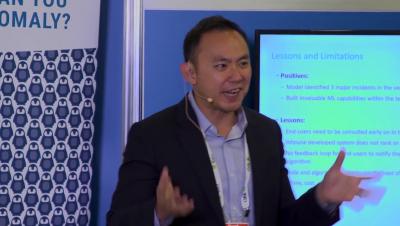
When it came to anomaly detection, telco giant Optus says the answer was simple. They chose to go with Anodot’s turn-key solution rather than build it themselves.


Ever go to a status page and it says everything is operational when it definitely isn’t? You refresh maddeningly thinking it might be you. You ponder if the bill for the internet has been paid. Then, as a last resort, you check Twitter only to discover hundreds of people are experiencing the same problem. This is common, and because of it, we’re happy to release out integration with Statuspage.io!
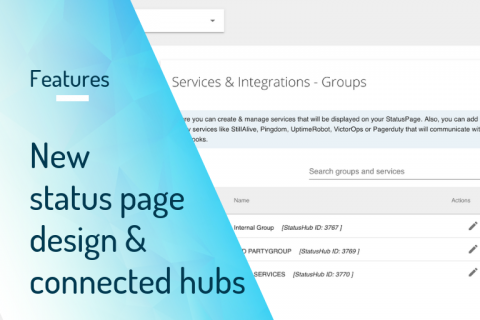
Announcing 3 new big changes in StatusHub! Firstly, a new UI for Services and Integrations. Secondly, a new feature "Connected Hubs". And thirdly, a new design for status pages is coming soon.
Technology and digitization are disrupting every industry—and healthcare is no exception. In this time-critical industry, patient care needs to be efficient and convenient. This is increasingly evidenced by the rise of individualized healthcare via direct-to-consumer (D2C) and convenience care models such as telemedicine to find doctors, pay bills, schedule appointments, order prescription refills, receive consultations, and more.
When your status page is buzzing with lots of information (and we hope it is!) you may find that viewing everything on a single page can be a bit overwhelming. For many of your end-users they may only be interested in a single type of incident or maybe a few components. Today we’ve added a new Incident Details page to help end-users get to the point and see data that’s relevant to them. Here’s how it works.
The Summer 2019 release introduced: OpsQ Observed Mode, Learning-Based Auto-Alert Suppression and many more updates to the OpsRamp Platform. This week all OpsRamp customers are being updated to our August 2019 release. Customers and partners should review all the details in our release notes. Here’s a high-level summary of what’s new this month: Observed Mode is now available for Alert Escalation and First Response policies.
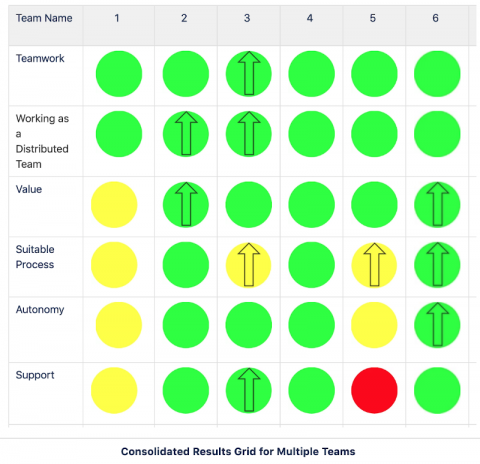
Continuous improvement is one of the fundamental tenets of Agile methodology that PagerDuty’s product development teams emphasize. This already works fairly well at the individual team level via retrospective meetings and postmortems but sometimes we don’t notice larger or systemic issues that are outside the control of a single team. This blog will share the process that we use at PagerDuty to uncover those issues, the outcomes we have seen, and how we have evolved that process.
Our August update makes SIGNL4 fit for the new “Payment Services Directive 2”. In addition, we have added extended the mobile alert dashboard and added new metrics. The enhanced dashboard of the SIGNL4 mobile app now shows alert counters per ‘services & systems’ category. Here come the details….