Operations | Monitoring | ITSM | DevOps | Cloud



Make the most from FireHydrant's Service Catalogs with these 4 tips
Outages are inevitable. It is how we respond that can make or break our company. In this post, we will talk about how Service Catalogs can impact your incident response process and make it more effective. When a company has just a handful of services, it can be relatively easy to figure out who to call when something breaks. But when companies are at the stage of having dozens of services to manage, figuring out who to page or reach out to can be a challenge.

Glitch List: January 2020
Welcome to the new year and a new decade! We’re sorry if you were hoping for “new year, new jokes.” But new glitches, we’ve got plenty of.
Release Notes: Priority-Based Alerting, Support Hours, SMS Alert Sources, Gap Detection in Schedules
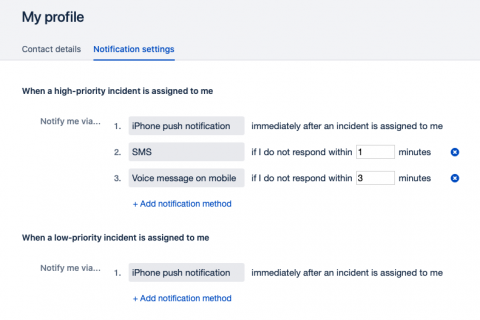
With Priority-Based Alerting, you can set different notification rules for high and low priority incidents.

How Can CIOs Seize the Moments That Matter in a Complex World?
Everybody puts value on work. But not all work is the same or valued in the same way. What if we told you there’s a way to gain/protect up to $1 million in new revenue, reduce unplanned downtime by more than 60%, and improve team productivity by nearly 25%? This is where the differentiation of work comes in. Most of our day-to-day work is planned out; i.e., it’s work with structure.
Performance Monitoring: Are All Ecommerce Metrics Created Equal?
Number of sessions, total sales, number of transactions, competitor pricing, clicks by search query, cart abandonment rate, total cart value…the analytics tools commonly used by eCommerce companies for performance monitoring can’t include every metric, and even if they did the analysts using them wouldn’t be able to keep up with the amounts of changing data.
How SIGNL4 supports alert severity
Event and alert severity are extremly important information for an effective alert management and response. Severity information determine the speed of response, needed resource allocation and the action path taken. Naturally, critical alerts have higher priority than major alerts which again overrule minor alerts.
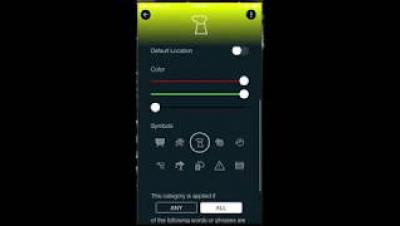
Alert Severity in SIGNL4

Why AIOps? Because End Users Are Your Incident Detection System (Part 2)
AIOps helps DevOps teams in multiple ways, including by boosting developer productivity, improving the customer experience, and increasing the CI/CD cycle frequency.