Filtering Through the Noise with SIGNL4
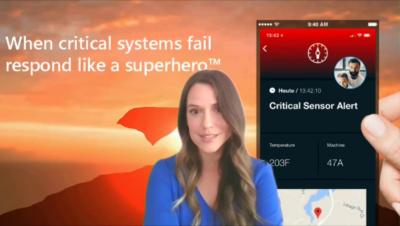
This short 5 min video with highlight how SIGNL4 can help you filter through the noise and only receive alerts that are the most important to you.


HIPAA compliant text messaging enables healthcare providers to securely communicate with patients and other healthcare providers. To ensure HIPAA compliance, you need to use HIPAA standards to create secure electronic data transmissions (in this case, text messages). The goal is to secure transmissions that contain protected health information (PHI).
“Welcome to Tomorrowland.” That’s how Moogsoft Chairman and CEO Phil Tee kicked off the launch event of Moogsoft Express, the next-generation AIOps and observability solution built from the ground up for DevOps and SRE teams. The reference to a better future is fitting. With its arrival, Moogsoft Express helps these teams maintain visibility and control over increasingly complex CI/CD pipelines, so they can detect issues earlier, fix them faster and prevent outages.
Similar to other companies in the entertainment industry, gaming companies typically drive revenue from three sources: in-app purchases, ads, and subscription. A couple of examples of these sources include creating different in-app purchase options for each game and various ad units from multiple ad networks. While this diversity in revenue streams may be advantageous from a business perspective, from a technical standpoint, it creates numerous challenges.
OnPage’s incident alert management platform continues to evolve, providing powerful features and capabilities to clients. The OnPage product team proactively monitors requests for future advancements and launches them to enhance clients’ business processes. Continuous innovation allows OnPage to align with growing business needs, while adapting to the ever-changing trends of the digital operations world.