Mailchimp
Not subscribed to OpsMatters Newsletter


This is a guest blog by Trent R.Hein, Co-CEO of Rule 4. Once in a while an opportunity comes along that brings out our inner geek like no other, which is what happened when Canonical asked if we’d be willing to review the overall cybersecurity model of Ubuntu Core and its ecosystem.
Identity theft is on the rise and it is not enough to simply stay on top of the latest trends in this arena to avoid falling victim to common cons; you need to be proactive to prevent sensitive information being stolen and used against you. This is where Identity Guard’s identity theft protection tool comes into play. It aims to deliver always-on protection from the biggest threats faced by innocent web users.
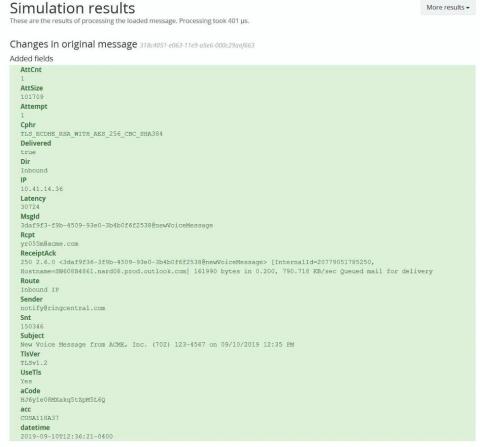
Parsers make it easier to dig deep into your data to get every byte of useful information you need to support the business. They tell Graylog how to decode the log messages that come in from a source, which is anything in your infrastructure that generates log messages (e.g., a router, switch, web firewall, security device, Linux server, windows server, an application, telephone system and so on).
With so many people working from home, the perimeter of corporate data safety has suddenly grown very large, in many cases encompassing employee home computers. Data loss prevention (DLP) was challenging enough already, but now it takes on even more importance. One way that data can escape the corporate network is by getting copied to USB thumb drives. Some companies take the approach of gluing or epoxying the USB ports closed.
What do you think is the most important aspect of a company? Performance? Perhaps you’re thinking of profits. True, performance and profits are crucial. But security tops the list. Every company caters to different users regularly. But does the necessity of security change whether the user base is narrow or wide? Users have access to a lot of information, and often, this leads to the risk of unauthorized access and data breach.
In response to the COVID-19 crisis, ServiceNow invited our global partner ecosystem to join us in supporting customers across the world who chose to implement our four no-charge emergency response apps. We also invited partners and customers to develop their own COVID applications on the Now Platform®.
This blog post is part twenty-four of the "Hunting with Splunk: The Basics" series. I've been dealing with viruses for years, but this is the first time I've written a blog post where we are dealing with actual viruses. Ever since the 2004 tsunami, I have witnessed cyber-baddies using current events to trick users into opening documents or clicking on links. The COVID-19 breakout is no different.