Mailchimp
Not subscribed to OpsMatters Newsletter


Targeted reliable notifications are the core of any alerting solution. Blasting out emails may be good for quantity, but Enterprise Alert focuses on the quality, this means notifying the right people at the right time. We often see monitoring and ticketing solutions creating an incident and then relying on the emailed recipient to not only identify and handle the incident but also to close out the ticket that is raised.
The check engine light on a vehicle warns the driver when something under the hood needs attention. Wouldn’t it be nice if every organization had a similar flashing indicator to let them know when their Transport Layer Security (TLS) certificate is about to expire? Unfortunately, reality isn’t that simple. We tend to deal with the day-to-day maintenance of our vehicle in different ways.
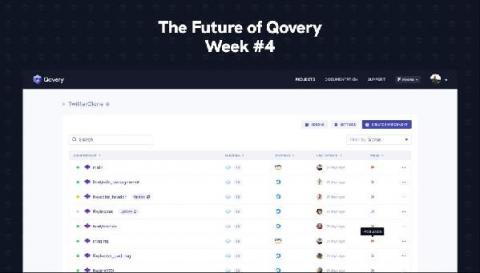
During the next seven weeks, our team will work to improve the overall experience of Qovery. We gathered all your feedback (thank you to our wonderful community 🙏), and we decided to make significant changes to make Qovery a better place to deploy and manage your apps. This series will reveal all the changes and features you will get in the next major release of Qovery. Let's go!
In this article, we are going to look at Microservice architectures, their benefits, what makes them different from traditional monolithic architectures, and how to go about setting up monitoring and alerting for them. MetricFire is a Hosted Graphite, Grafana, and Prometheus service, where we help you set up and manage these open-source tools. If you would like to follow the steps in this blog, make sure to sign up for MetricFire's free trial and even book a demo session.
Let’s talk about The Legend of Zelda: A Link to the Past, and how it relates to DevOps. The game tasks our hero with finding three pendants, which unlock a Master Sword he can use to travel to an alternate realm and ultimately take down the bad guy. The US version of this SNES masterpiece came packaged with a fairly detailed instruction manual that contained an optional guide at the end to help locate the three pendants.
Visit https://ubuntu.com/ for more details on Ubuntu.